The Ultimate Free DnD One Shots Guide
If you’ve always wanted to slay dragons, find hidden treasure, or go on an adventure with your friends, you might want to try a DnD one shot. They offer a completely different experience than an ongoing RPG campaign.
I’ve been playing DnD for years, and even with all that, I'm always surprised at how every gaming session is different. I’ve made some of my best friends playing the game, and some of our group's best tabletop gaming adventures have come from DnD one shots.
If you’ve played Dungeons and Dragons before or have friends who do, you’ve probably heard about the famous DnD one-shots. DnD one-shots are self-contained adventures designed to be played in a single session. They're perfect for new players as they provide a great introduction to the game. And for experienced players, they offer a chance to try out new characters and explore different aspects of TTRPGs and have some incredible adventure.
I’m here to let you in on my top DnD one-shot adventures picks, and tips for running your own.
The Best DnD One Shots for Your Next Game
There are a lot of reasons to use one shots with your gaming group or even in your campaign, but I want to start by sharing some of my favorites published adventures with you. These are all prewritten storylines that you can change up or use as-is. Best part? All of these DnD one shots are free!
1. Hoard of the Dragon Queen
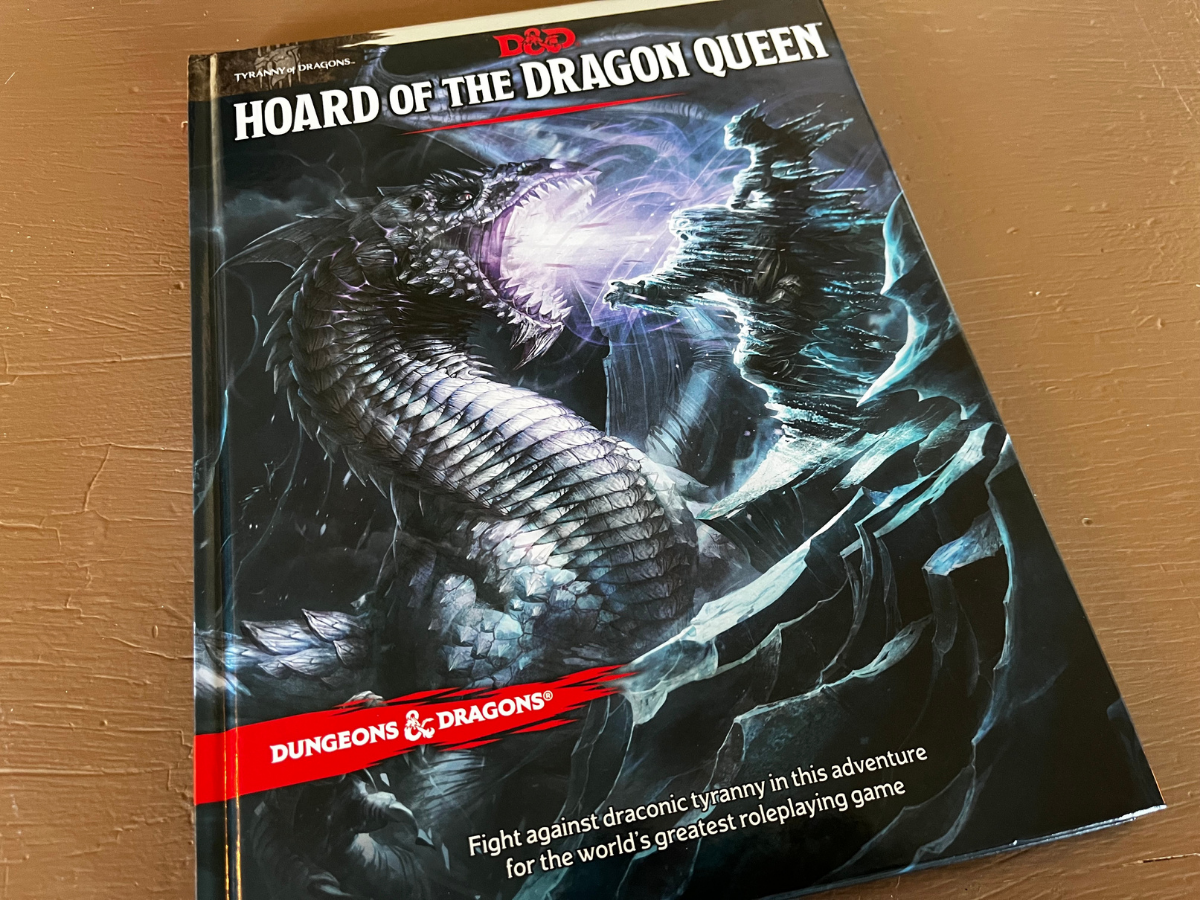
Hoard of the Dragon Queen starts with a bang and doesn't let up. First off, it's co-written by Wolfgang Baur - a true legend in the world of TTRPGs.
The first few levels are spent trying to survive in the wilderness and then the adventure ramps up to include defeating a dragon queen and her hoard. When it comes to playing Dungeons and Dragons, there's really nothing better than that pinnacle sort of feel that comes from slaying a mighty dragon. This one shot features a series of exciting set-piece encounters that will keep your players engaged and on their toes. The adventure is also structured in a way that allows for plenty of roleplaying opportunities, giving the session a very well-rounded feel.

Hoard of the Dragon Queen - Expanded
If you're looking for an adventure that's fast-paced and packed with action, then Hoard of the Dragon Queen is a great choice. And although this is actually a paid option, as the header image for this post shows, there is now a full-length adventure book from Kobold Press that takes this one shot and turns it into a multi-session adventure, which you can find on Amazon. I personally love this adventure book, and bring it out for ideas and adventures quite often.
2. Death House
Death House is an introductory adventure for the famous Curse of Strahd campaign (which you can also find immediately below). It's a great one shot for players who are new to DnD, and it's a perfect way to introduce new players to Dungeons and Dragons. This adventure is designed for players level 1-3 and can be played in one session.
Essentially, the players are exploring a haunted house. They have to face dangers within and solve the mystery of what happened there, long ago. The eerie setting and suspenseful gameplay are sure to send chills down your players' spines.
When the adventures in Death House are over, the players will have a better understanding of the game mechanics in Dungeons and Dragons, and they'll be ready for more challenging adventures.

Curse of Strahd
If you're looking for a high-end adventure series, the Curse of Strahd is legendary. I first played through a rendition of the famous campaign setting in D&D 3.5th edition. It's dark, creepy, exciting, and full of mysteries. The vampire lore and real danger involved to your characters - at all times - is an experience you absolutely must have as a D&D enthusiast.
3. Tyranny in Phlan
Designed for players level 5-10, this DnD one shot allows the gaming group to vanquish evil from the city of Phlan, also known as the "Jewel of the Moonsea." Players must work together to overthrow the tyrannical government and restore justice to the city.
This adventure is packed with action and fighting, and is perfect for players who like combat. There are also opportunities for those who prefer roleplaying, as the group needs to interact with NPCs to gather information and make it through the adventure unscathed. Tyranny in Phlan makes for a very fun, exciting, and well-rounded evening of gaming.


4. Wildemount: Dark Star
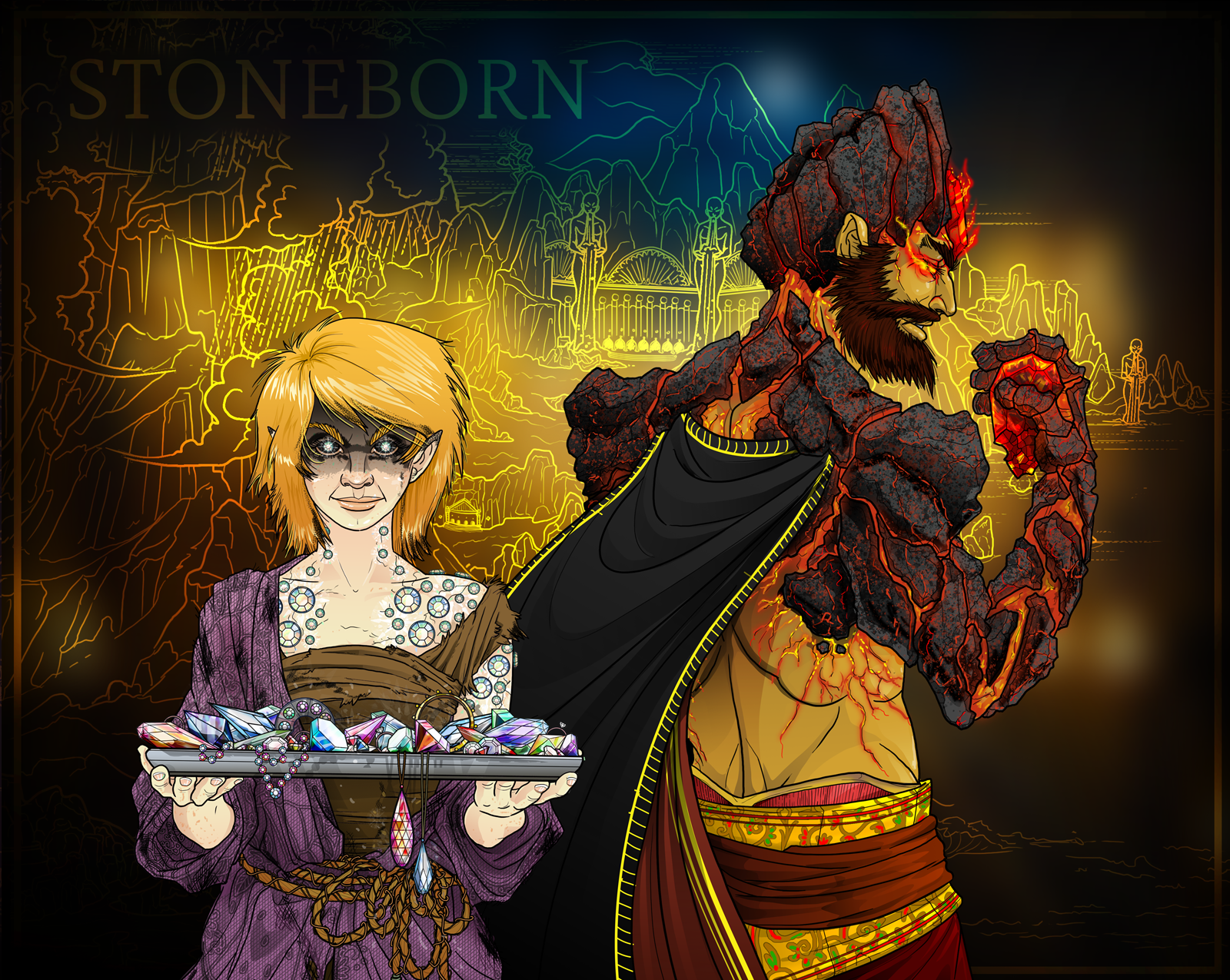
This adventure may turn into a two-shot since it’s a little more in-depth. It needs four to five players that are around player level 7. Wildemount is a land of vibrant life and death, of lightest good and darkest evil. It incorporates magic, with individuals who can harness the power of the sun and stars. If you know a DnD player with a wizard character they like, make sure you tell them about this one - or just go ahead and run the game and watch them fall in love.
One of the most dangerous places in Wildemount is the Wastes of Xhorhas. It is a barren, lifeless place where the only thing that grows is the Darkstar. This DnD one shot adventure is a great choice for those who want to explore magic and its darker implications. This adventure also presents a great opportunity for players to get their hands on some powerful magical artifacts.
5. Frozen Sick
Frozen Sick is an adventure for players level 1-3. It's a great one shot for gaming groups who want a challenge. In this adventure, the players have to investigate a strange illness that's affecting Palebank Village. They must brave the cold weather and treacherous conditions to find the cause of the illness. This adventure is sure to test players' determination and teamwork skills. This adventure is also perfect for players who enjoy immersive roleplaying.
While the characters are investigating the illness, they can explore the village and meet its inhabitants. They get to see the log cabin on the edge of town. Explore Pelc's Antique Shop. And ultimately, dive into Croaker Cave where the bulk of the adventure takes place, and the mysteries of the illness become unravelled.
6. Grammy's Country Apple Pie
This is a 2-hour one shot adventure designed for players level 1-4, and is really aimed at either younger audiences or those that just want some light-hearted fun.
In this adventure, the players help wizard Tyndareus, who is looking for the perfect apple pie recipe. The problem is that the bakery was overrun by goblins, and the recipe was stolen. To help the wizard out, players must venture into the goblin-infested bakery, find the recipe, and craft the perfect apple pie. Pretty silly sort of adventure, compared to most others out there, but it can still be a surprising bit of fun.
7. The Gribbits Detective Agency
This one shot is a fun twist on a mystery/ detective plot. The Gribbits Detective Agency has characters investigating the disappearance of Janos Meer. It’s a 3-hour adventure, and is recommended for players level 1. Best part of the entire adventure? Be sure to take a look at Pg.11 in the PDF for some great artwork haha.
In this adventure, the players run into some Gribbits, a race of small creatures who are known for their investigative skills. The players help the Gribbits solve a series of crimes that have been committed in the town, culminating in the kidnapping of Janos.
The Gribbits Detective Agency is a great way to introduce players to the world of D&D since they only have to be first level, and have help with the investigation. This is also another adventure that's quite good for kids.
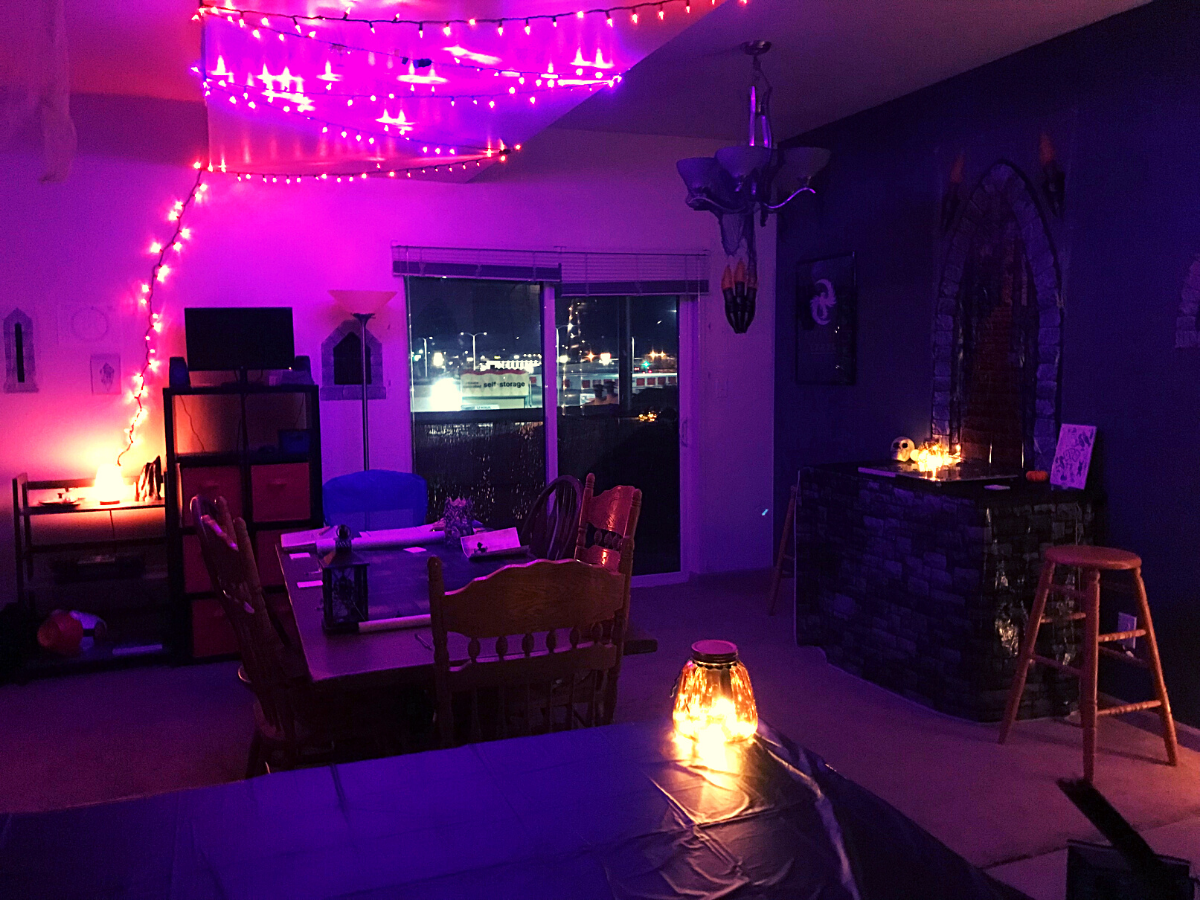
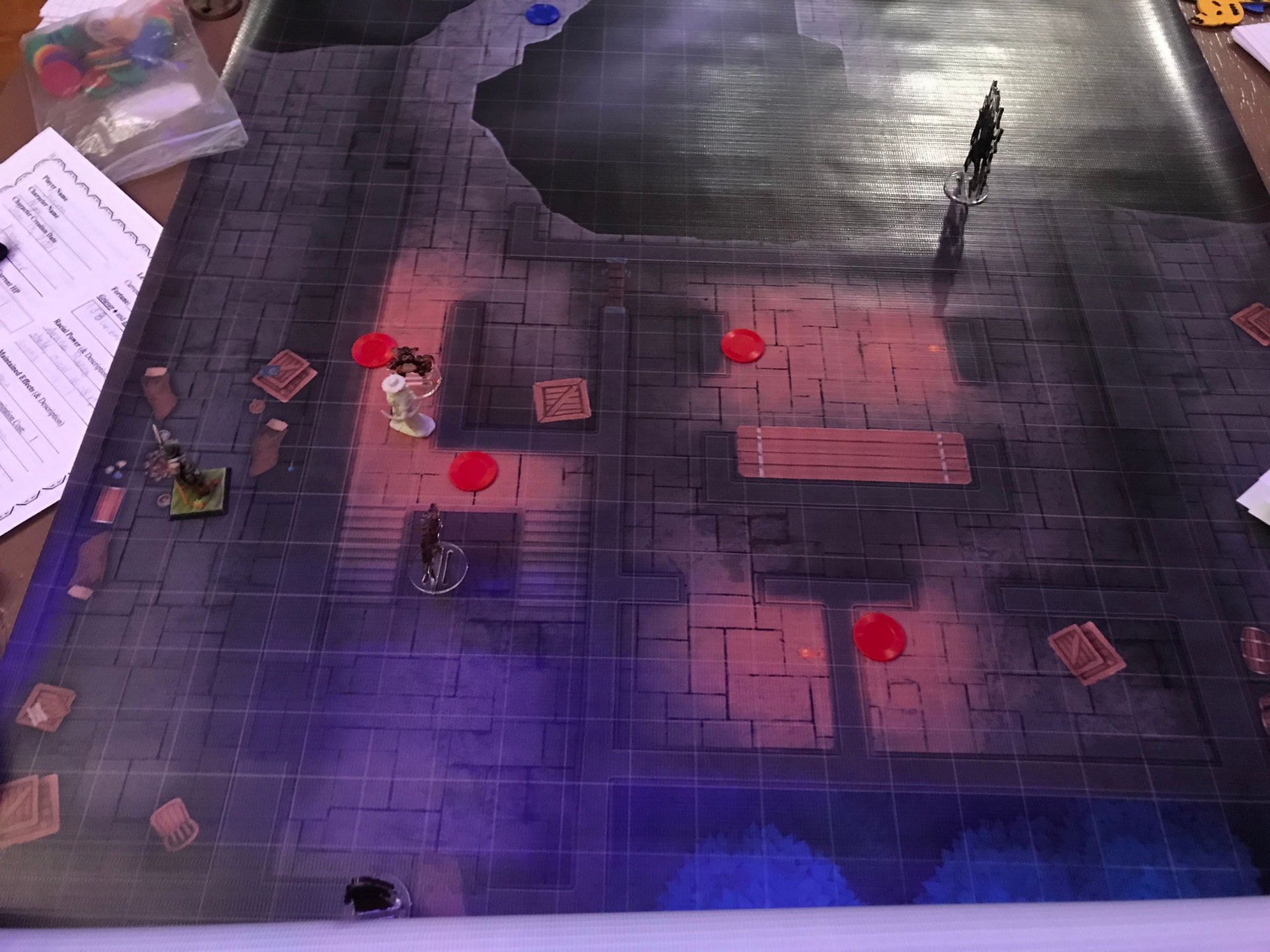
The setup from a Halloween one shot "mega dungeon" I ran last year. When it comes to bigger adventures or holiday events, I like to set an atmosphere that really adds to the overall game.
Additional D&D Adventures
A great way to run any one shot adventure is to actually find a campaign book from Wizards that you really like, and then either condense the book into a single game session, or to just run the book's first few encounters. The reason is that oftentimes, I've found from running one shots that the group ends up wanting to play more. It's actually pretty rare to run a one shot that doesn't have the opportunity to turn into something more, so it's worth having entire campaign ideas on hand.
Though these one shot options aren't free, they are inexpensive compared to the amount of game sessions you're likely to get out of them. So, I still highly recommend any of these great books, and want to share with you some of my favorites so that you can have help only spending money on the adventures you're most likely to have a great time with.

DragonLance - Shadow of the Dragon Queen
I have to start with DragonLance as it's a beloved book series from the amazing authors Margaret Weis and Tracy Hickman. If you've never read any of the books (especially the original trilogy), I absolutely can't recommend it enough. DragonLance was basically half my childhood, and there is no setting for D&D adventures that's more classic or canonical.
This campaign series essentially takes place during what could be the first 3-books of the series, so you can gift the book set to your gaming group, and follow up with an incredible adventure into the stories themselves from the perspective of your own heroes. Or, you can alternatively take what amounts to classic fantasy at its best and insert the main plot points into your own campaign, or even run a one shot from the encounters you find within.

DragonLance Books Collector's Edition
As a quick aside, DragonLance now has a collector's edition of the first three books in the series, written by the original authors: Margaret Weis and Tracy Hickman. If you're a fantasy book enthusiast at all, or if you enjoy gathering ideas for your one shot adventures or campaigns from fantasy stories, these books are for you. I even already own the books, and I'm still buying this Collectors Edition series.
This set comes with "Dragons of Autumn Twilight," "Dragons of Winter Night," and "Dragons of Spring Dawning." Ok, now back to your one shot guide!
Descent into Avernus
Baldur's Gate is one of the most well-known and games of all times. Fortunately for everyone, it's also one of the most beloved campaign settings of all time, as everything from the iconic video game can be played in your favorite TTRPG setting.
In this campaign, you can delve into the city of Baldur's Gate on the Sword Coast and all of its intrigue, and adventure from Level 1-13 in a series of quests that pit you against devils, demons, and enemies with nefarious powers. Avernus is the first level of the 9-hells, so players can expect to do very well as clerics, paladins, or while roleplaying really any character who doesn't mind crushing some infernal skulls.

Eberron Campaign Setting & Adventure Book
This last example I wanted to share with you is from Eberron, which is another super-famous D&D setting. If you've ever seen or heard of the warforged D&D race, it comes from the lands of Eberron.
This book is less of a campaign book and more of a setting book that also happens to have adventures and a campaign setting in it. I like this kind of book when it comes to creating one shots as setting books like this can provide you all the right kinds of inspiration and lore to build something short for your gaming group, without taking you down the path of multiple adventure sessions. To me, Eberron almost has like a fantasy-cyberpunk feel to it, so it allows you to blend genres in a way that's probably sure to make for a unique one shot adventure.
What Exactly Are DnD One Shots?
Just in case you weren't already aware when you started reading this article, DnD one-shots are self-contained adventures. They're meant to be played in a single session, and can range anywhere from an hour to an entire day. Seriously, I have played one shots that have lasted for 12+ hours. Most typically, however, they probably go from 2-4 hours.
Besides the DnD one shots listed above (my favorite picks), you can find DnD one shot adventures online or in books like the D&D Adventurer's League modules.
One of the great things about D&D one-shots is that they’re perfect for new players. If you've wanted to try DnD or take a shot at being a dungeon master, but were worried about committing to a long-term game, or have wondered about how to start a dnd campaign, try a one shot. They’re the perfect way to get your feet wet and experiment with the game. They are also great if you already play DnD and just want to have a quick adventure with your group.
Types of DnD One Shots
There are a few different types of DnD one shots:
- The first type is the published adventure. These are written by professional writers and can be found online or in books.
- The second type is known as a "homebrew adventure." These amateur-made or at-home adventures are created by other DnD players and can be found for free online.
- The third type is that you can always make your own one shot adventure, and doing so is relatively easy. If you want more information on how to create your own one shot adventure, keep reading as I've included all kinds of tips for you, below.
- Finally, you can incorporate all three kinds of adventures if you want, just make sure you’re not trying to do too much all at once.
If you’re a new DM (dungeon master), I recommend using a prewritten adventure before taking a shot at a homebrew or creating your own. It's extremely fun to go with your own creativity, but involves a lot more setup on your part, and it definitely does require some skill to create an adventure with good game flow.
Once you choose the type of one shot adventure you want to play, you’ll need a few things. The first is your party — a small group of players. Four to six players are ideal. More than that may be difficult due to the time constraints of your typical one shot adventure, but of course, it's up to you. It's also possible to have a smaller group size, and if you weren't aware, single player DnD is definitely a thing, so you can even do a one shot flying solo.
What You Need For Your One Shots
If you are going to play with a gaming group, your adventure will require:
- A dungeon master. The DM's job is to make sure that the one shot is fun (most importantly!), and that it stays on track.
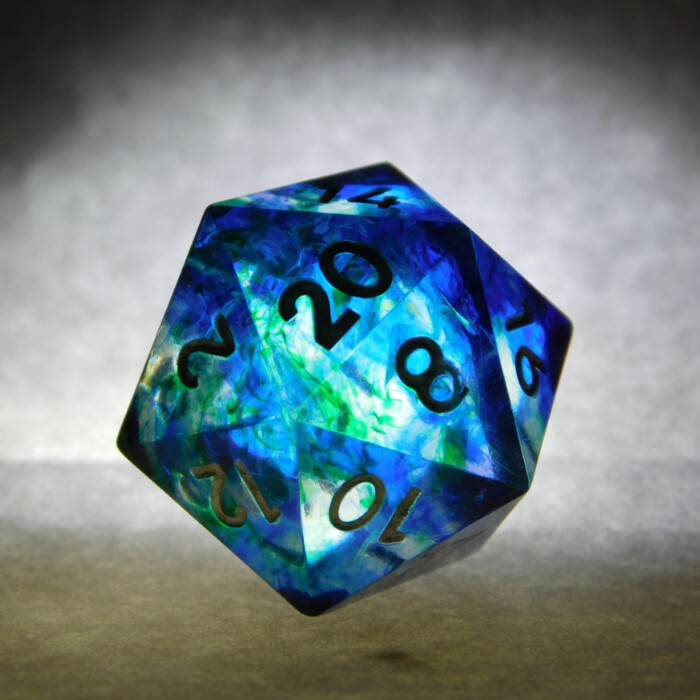
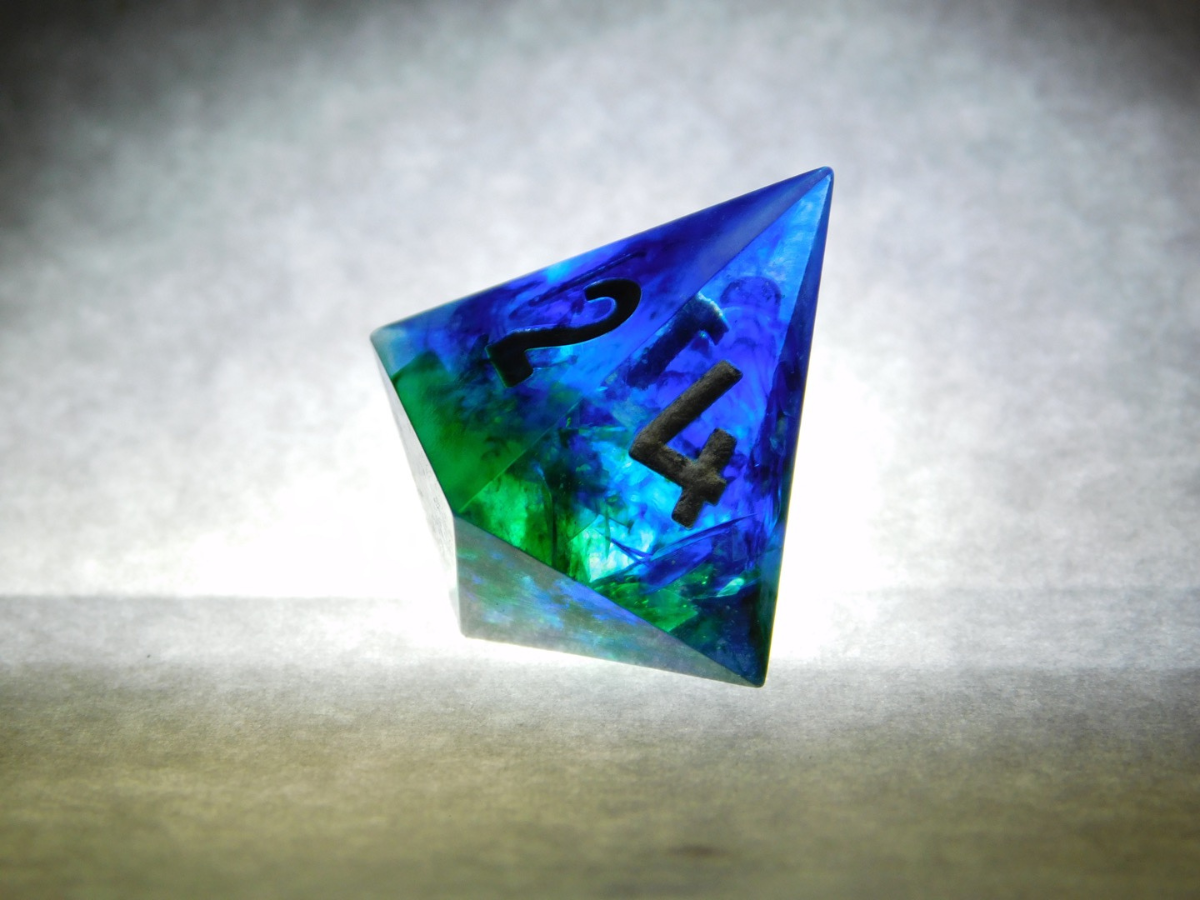
- A set of dice. Take a look at my best DnD dice article to find a set that adds to the magic of your game. It’s also best if each player has their own set of dice, but if you have a group of new players, the party can share one or two sets pretty easily.
- A character sheet or a DnD character creator app like DnD Beyond. This is where you will keep track of your character's stats and inventory, which of course is important, as one shot adventures tend to be pretty deadly more often than not.
If you don't have a group of friends who already play DnD, don't worry! There are tons of ways to find players. One way is to look for a DnD meetup group in your area. Another way is to post on online forums. You can also try asking your local game store if they know of any players looking for a group. DnD is such a popular game nowadays that with a little effort, you should have no problem getting a solid group together.
Why Use DnD One Shots In Your Campaign?
DnD one shots are a great way to change up the pace of your ongoing campaign. It may seem surprising, but if you've been playing the same campaign for a while, adding a one shot can be a refreshing change of pace for a lot of reasons. They're also a great way to experiment with your tabletop gaming, including allowing your players to mess around with some of their own unique character ideas.
Fill in Gaps for Your Campaign's Story
DnD one shots are a great way to fill in gaps in your campaign. Almost every dungeon master at some point or another runs into a scenario where the main storyline just has to be put on hold for one reason or another. Maybe the party recently defeated a major villain, overcome major obstacles, or the plot line simply needs some in-between time before the timeline calls for the next major adventure. In any case, a one shot allows you to bring in some very exciting and fantastic story elements to keep your party engaged in between major events.
If you're going to use one shot adventures this way, you may even find that some of your ideas end up working their way into your long-term storyline. Thus, your "one shot" may turn into something more, after all.
Try Out New Ideas for Your Campaign
Trying a one shot game of DnD is a great way to experiment with new ideas for your regular campaign. It can be used to try out different character classes, races, and monsters. You can also use it to test out new ideas for your campaign setting. If you're not sure how something will work in your campaign, a DnD one shot is a perfect way to find out.
Change the Pace of Your Campaign
One shots are shorter and often more action-packed than regular campaigns. Not that your normal game can't be as dramatic and intense as one shots, but the short-lived nature of one shots does seem to bring out more action-packed attitudes in everyone at the gaming table.
If I notice that my gaming group is starting to lose interest or get bored during slower parts in a campaign, I’ll sometimes pause the main campaign to bring in a one shot. This change of pace mixes up the vibe of the group, and oftentimes brings in fresh energy that really benefits the main game, once we get back to it at the following session.
Introduce New Players to Your Campaign
If you're looking to introduce new players to your campaign, a one shot adventure is a great way to do it. New players can be intimidated by the idea of joining a campaign that's already been ongoing for quite some time. A one shot is a great way to show them what your campaign is all about without making them feel like they need to commit to a long-term game. The one shot can also help the party decide if the new player is a good fit, and gives your players the option to back out if they realize the game isn't for them.
Basically, one shot adventures are low stakes, and fun!
Bridge the Gap for Absent Group Members
If you have a player who can't make it to the next session, you can have a one shot adventure always prepared, to keep the game moving forward without having to move on without the missing player. Honestly, this kind of thing happens a lot with gaming. Once you get past high school and college years and people have real lives and big responsibilities, it's pretty common for people to bail on games last-minute (even if you have a stellar campaign, trust me).
Keeping something in your back pocket for when players have to skip a session is great way to keep everyone else in your gaming group still excited about the game, and having fun.
Reduce Your Game's Preparation
One of the best things about DnD one shots is that they don't require a lot of preparation. If you're short on time or you're not feeling very creative, you can just grab a pre-made one shot and go. You don’t have to spend hours on a campaign, and your players don’t have to wait to play. Win-win-win.
Great Stories and Fun Adventures
DnD one shots can give you a richer overall storyline for your campaign, and more fast-paced adventure. Since you’re not constantly trying to keep the storyline moving, the players can enjoy more nuanced details and interactions, as well.
The other component of one shots that often really raises the fun is that for the most part, people aren't as concerned about their character's wellbeing if they know that their aren't long-lasting consequences for doing outrageous things. I've seen more character deaths in one shots than in any other type of TTRPG gaming. And honestly, those glorious character deaths are often some of the most fun parts of these types of sessions.
If a TPK DnD (total party kill) does occur, take a look at my article on that to have an idea in mind for how to handle things.
Completely Customizable
As if every other reason for a DnD one shot isn't enough, the final reason why they're so great is that they can be tailored to any group size and play style. They’re also a great option for smaller parties that may not have the combat power to go on a full-length campaign (or for younger audiences, who may not have the attention span for a full-length campaign).
You can use a one shot to boost your players’ levels and get them ready for more difficult encounters. You get to choose how the game goes and if you want things to be fast-paced or relaxed. You also get to choose, as I mentioned briefly before, if you want your one shot to be a one shot, or if it turns out to be so fun that it demands a part two - or even beyond.
Tips for Running D&D One Shots
So, you've got your D&D one shot picked, gaming group's ready, and you're excited for a great gaming session. What about making the most of the game? To help you out, here are some tips to help you run the best one shot session, possible. Really, these tips are important for running any game of D&D, but they're especially important for shorter adventures:
Be Prepared
As the DM, once you start the one shot, you’re the most knowledgeable person in the room. If you don’t know what’s going on, no one will. Make sure you have clear goals both for the players and the storyline. If you're not sure what you want for the game to "be," exactly, it's going to be hard to create an enjoyable game. Players can sense when the DM is lost, and it can take away from the experience.
As the old saying goes, “fail to prepare, prepare to fail.” This is especially true for D&D one shots. Because there's no time to recover from mistakes, it's important that you're as prepared as possible before the game begins. This means having a great game ready to go, knowing the rules inside and out, and having a backup plan for everything. By being prepared, you can make sure everyone has a great time.
When it comes to preparation, you can also check out my article on Dungeon Master Tools for overall insights on how to improve your skills as a dungeon master and make the most out of your game.

Tree of Life Campaign Journal
To me, having a campaign journal is vital as a dungeon master - no matter whether I'm running a single one shot session, or an entire adventure series, spanning years. I like to keep all my game session notes in one place, and for me, it's important to keep them in a special journal that inspires me.
This tree of life journal is one I found on Amazon, and one that I think would be a perfect gift to yourself. As you're putting together your game's next one shot, write your specific notes in this book's pages. When you sit down at the table, your players will be impressed not only with your game's preparation, but with the awesome design, rustic page look, and overall aesthetic of your game's journal.
This journal comes in a variety of colors, is authentic leather bound, and is filled with antique vintage paper. It's technically a "gratitude journal," but whatever - use it for what you want!
Make Sure Everyone's on the Same Page
Before starting, make sure everyone's clear on the type of game you're going to be playing. You don't want your gaming group showing up for the session, expecting a continuation of the main campaign when you're actually diving into a new adventure. Also, whether you're running a horror-themed game or a more light-hearted adventure, it's important that everyone is aware of the tone and content of the game before it begins. That way, people have time to settle in to the idea before suddenly being placed in a new adventure.
End Early if Needed
One of the most common mistakes D&D one shot dungeon masters make is feeling like they have to use up all of the time they've allotted for the game. While it's important to make sure everyone gets a chance to play, there's nothing wrong with ending the game early if it's clear that the party has accomplished their goals and there's nothing left to do. Ending the game early can be a great way to leave players wanting more. By ending on a high note, you ensure that everyone has a great time, and that they'll be eager to play again.
Alternatively, you may even need to end the one shot before it's actually over. Especially with new players, one shots can take way longer than you originally anticipated. If you need to call the game, you can simply schedule another session to wrap things up.
Honestly, I've had way more experiences on the long side of one shot adventures. It seems like the initial time limit really gets players engaged, and hours pass by quickly.

Give Everyone a Chance To Shine
One of the best things about D&D is that it allows everyone to be the hero of their own story. In a one shot, this means giving everyone a chance to shine, and make the most of their characters. To do this, make sure you design your adventure in a way that allows each player to contribute. This could mean giving each player a unique skill or ability that they can use to help the party, or designing encounters that require everyone to work together. The great thing about one shot games is that you can really play with the rules, even bending or breaking them, because - after all - it's just for one session.
By giving everyone a chance to shine, you'll virtually ensure that everyone has a great time and feels like they're an important part of the game.
Rewards and Treasures
Either in-game or out-of-game, make sure you reward your players for their successes. This could mean giving them extra XP, perhaps, for their main characters. You may pass out magical treasures, or simply tell your group how great they did. If you want to reward you players with small real-world gifts after major one shot adventures (something I often do after a mega dungeon or holiday game), take a look at my comprehensive article on DnD Gifts. There's no doubt that rewards are one of the reasons that dungeons and dragons is such a fun and exciting game.
Rewarding players is also a great way to motivate them and ensure that they have a good time. It also helps to create a sense of camaraderie and teamwork, as players are more likely to help each other if they know they'll be rewarded for their efforts.
Be Flexible
Finally, remember that D&D is a game, and games are meant to be fun. If something isn't working or someone isn't having fun, change it up! Basically, just keep your focus on ensuring that your D&D one shot is the best it can be. Be prepared, flexible, and accommodating to everyone, and you'll create an unforgettable experience for the whole party.
Stay Organized
For normal campaigns, I use a DnD campaign planner to keep on top of everything. Honestly, even for short games, using one is a good idea. Especially if you do plan to extend your one shot to a longer series of games, or into your main campaign's storyline, it certainly helps to keep all your notes in one place.
Try Playing Other Games Besides D&D
Obviously, D&D is the most well-known most often-played tabletop RPG out there. However, if you aren't familiar with other Games Like DnD available today, there are a lot of them. Some games - honestly - are much easier to learn and play than D&D 5th edition. If you're looking to set up a one shot adventure anyways, it could be a great opportunity to try out a new game system.
One shots can be a wonderful way to experiment with a game system you've always wondered about or wanted to try, but never wanted to commit to for a full campaign. I've played many tabletop RPG systems using one shot adventures to test them out, and I can definitely recommend it as a good use of time and resources.
Tips for Creating Your Own D&D One Shots
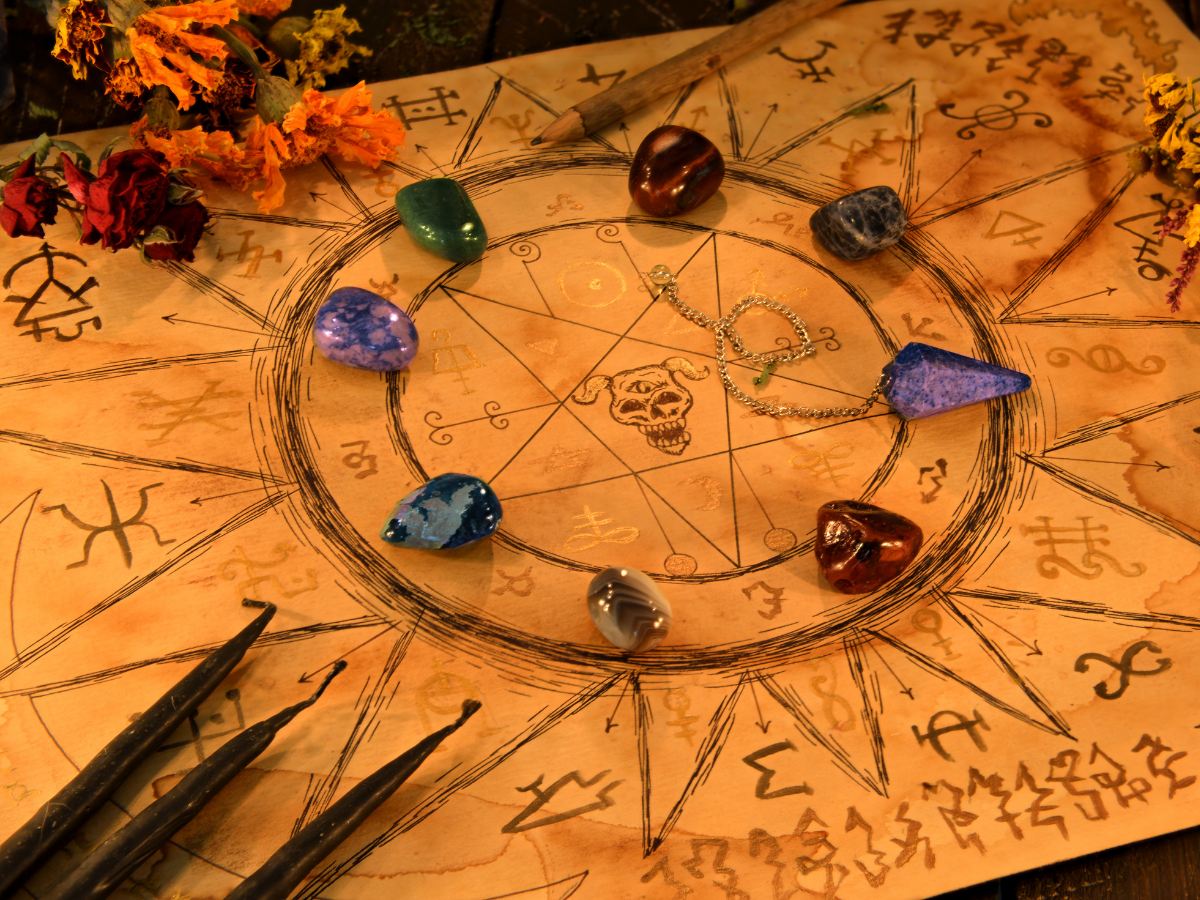
This article simply wouldn't be complete without some best practices on creating your own D&D one shot. Especially if you've already played through a couple pre-made one shots, you're definitely ready to try your hand at creating your own concepts, if you enjoy that sort of thing. For myself, I love creating stories and games so much that I ended up making my own tabletop roleplay game. You may just find that adventure, world, and game creation is a major passion of yours, as well.
You can also use my article on DnD Quest Ideas as a starting point for a D&D one shot. Each of those ideas is honestly a great way to create a quick adventure.
Start With a Premise
The first step to creating any adventure is to come up with a premise. This can be as simple as “the players need to find and stop the big bad guy,” or perhaps “the players need to find the lost city of X,” or even “the players are hired to retrieve an item from a dungeon.” Whatever the premise is, it should be something that:
- Can be accomplished in a single session.
- Features over-the-top elements of story, action, or magic that will pull people into the adventure, immediately.
Make sure you’re realistic on timeframe. If you’re DMing for a group of newbie players, it’s going to take a while for them to get their feet under them and understand how gameplay, gathering information, and combat work. So, don't pack too much into your adventure your first time making one. Keep things simple.
Create a Setting
Next, you'll need to decide on the setting. Will the adventure take place in a city, in the wilderness, in a dungeon, or some other location? Once you've decided on the setting, you can start to flesh out the details. As with every other piece of your one shot, you want to have something that's somewhat fantastic. Does the adventure take place in a mountain range, or rather, could it take place in a mountain range where rocks levitate in a sky that's hued in golds and purples?
See what I mean? Aim for something that will really grab your players and make them want to play.
Give the Players a Hook
To get the players invested in your one shot it is absolutely crucial to give them a hook. This can be done in several ways. The simplest way is to make the adventure personal for the players. Perhaps their character's family is kidnapped and they need to rescue them, or maybe their character has a personal grudge against the villain.
Another way to give the players a hook is to offer them a reward that is too good to pass up. Perhaps the lost city is rumored to be full of treasure, or the boss has a magical artifact that the players want. Whatever you do, make sure that the hook is something that will interest the players and make them want to play.
If you fail to "hook" players into your game, your one shot adventure might get de-railed very quickly...
Prepare Flexible Scenes
Speaking of challenges with players de-railing your story, one of the challenges of running a D&D one shot is that you never know exactly how your players are going to react. They might go off on a tangent, or they might ignore your carefully prepared plans altogether. I’ve had players completely miss the clues I had laid out for them, knock out one of the NPCs that had vital information because they thought he was threatening them, and go off for a traipse in the woods miles away from their objective. Or, even better (or worse), the players intentionally ruin your plans just because they know they can.
Great!
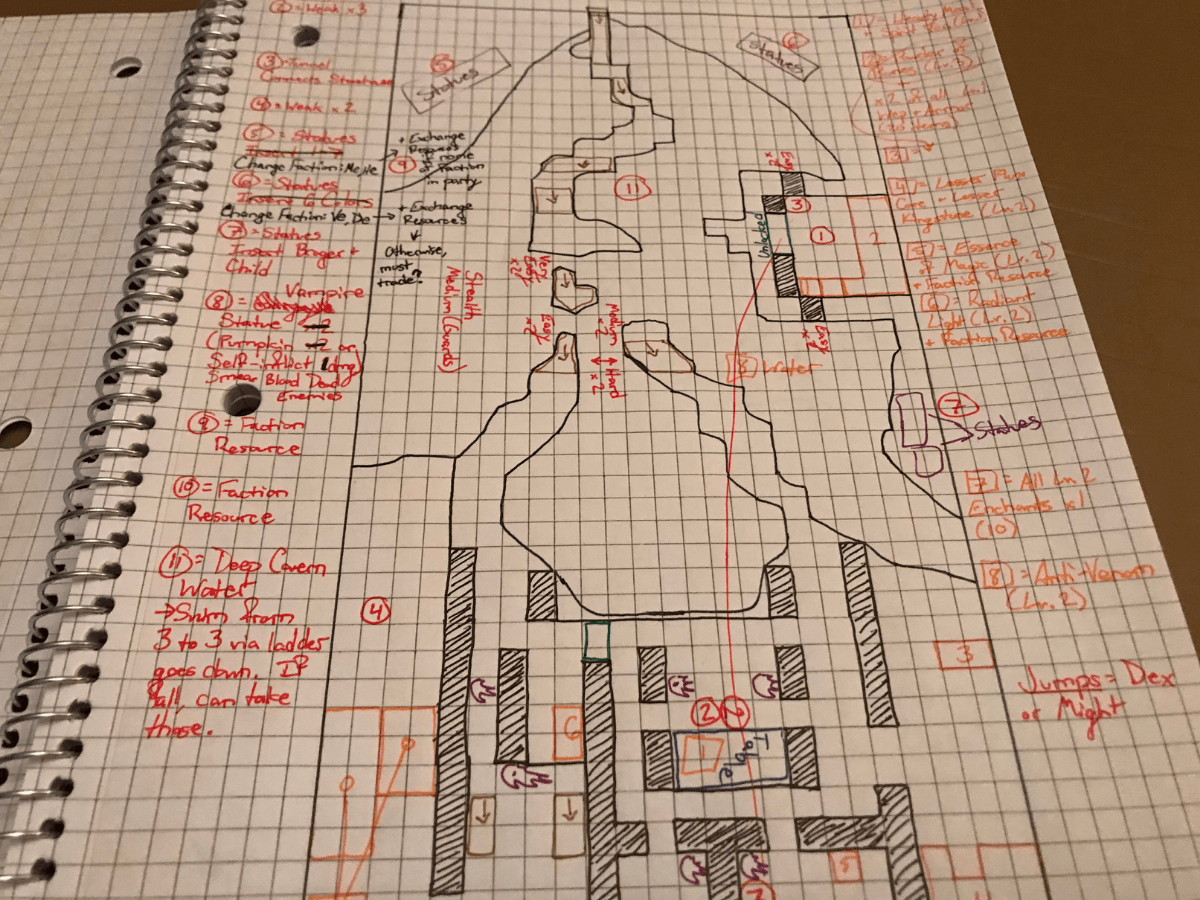
To prepare for this, it's important to have flexible scenes. Have a couple of different options for how each scene can go, and don’t get too attached to one option. Also, have a few different ways that combat encounters can play out, and stick with the larger story you have in mind, rather than making every encounter progress exactly as you'd originally planned. I’ve found that writing myself notes with lists of different alternatives can help keep me organized.
You also have to be prepared to completely improvise. The players will most likely do something that de-rails you (intentionally or otherwise), and you’ll have to make up something on the spot. I know this can sound intimidating, but it’s actually one of the most exciting parts of the game. And, it's one of the marks of a great dungeon master.
Also, the players may even have a better idea for the storyline than you do — let them lead and don’t try to manipulate their gameplay. Whatever ideas you "happen" to steal from them along the way ultimately become your ideas, after all, as they'll simply think that they "guessed your master" plans, fueling their interest in the game.
Come Up With an Interesting Villain
One of the most important aspects of any adventure is the villain. The villain should be interesting, threatening, and challenging. They should also be a foil for the players - by which I mean that they should be their opposite, but in a very unique way. Think paladin > fallen paladin, sort of thing.
To create an interesting villain, start by deciding on their motivation. What are they trying to accomplish? Why are they doing what they're doing? Once you have their motivation, you can work on fleshing out their personality. What kind of person are they? How do they act and speak?
If you have an interesting and memorable villain, you're basically guaranteed an amazing one shot. It's amazing how valuable a great villain can be for your gaming sessions.
Create Player Characters in Advance
If you're running a one shot, chances are that you won't have a lot of time to create characters. This means that you'll need to do some work in advance. Have each player create their characters before the game starts. Alternatively, you can pre-make some characters before the session that the players simply pick the day of, and use for the game.
Keep It Simple - Seriously
I mentioned it earlier, but one of the keys to running a successful one shot is to keep it simple. Try to limit the number of NPCs, side quests, and subplots. Make it easy for the players to focus on the main quest, and goal of the adventure. When running one shots, I always try to keep the combat encounters relatively simple, too. One or two big baddies are usually sufficient. You don’t want to eat up all your game time in battle after battle. Finally, try to keep the puzzle encounters relatively simple as well. The players should be able to figure out puzzles without spending hours working on them.
Focus on the Big Picture
The challenges of running a one shot are that you only have a limited amount of time, and you need to keep the players engaged. This means that it's extremely important to keep the focus on the big picture and not get lost in the details. The players should always know what the goal is, and they should feel like they're making progress towards it.
One way to do this is to keep the environment focused. When you're designing the dungeon, think about how each room can contribute to the overall goal. Every room should have a purpose, and every encounter should be meaningful. There isn’t any time or any space at all for filler content.
Another way to keep the focus on the big picture is to limit the options available to the players. If they're given too many choices, they'll get bogged down in the details and lose sight of what's important. They also might choose to go off for a hike in the woods with no goal. Make sure that each decision is meaningful and has consequences.
Let Your Players Experiment with New Ideas
One shots are the perfect place to experiment. One way you can do that is by checking out the following D&D 5th edition-specific strategy guides. Let your players try out some of the unique ways of using spells and topics to see if you can come up with some fun new ways of gaming:
End With a Bang
End your one shot with a bang! Players should feel like they've accomplished something, and they should be excited about the next game. If you’re doing the one shot as a part of a larger campaign, you can level up the players at the end to help with gameplay during the larger campaign.
- One of the best ways to end a one-shot is to have the final confrontation be against a powerful enemy. This could be a dragon, a giant, or even a god. It’ll give the players a bit of motivation, knowing that this guy is big enough to beat them all. They have to work together and think critically to make it.
- Another great way to end a one-shot is to have the players uncover a major plot point. This could be something that changes the game world forever, or it could be something that sets up the next one-shot or propels the plot in a larger campaign.
- Finally, you could always end the one-shot with a cliffhanger. This is a great way to get the players excited for the next game, and it can be a lot of fun. Just make sure that you don't leave the players hanging too much, or they'll get frustrated.
Play a TTRPG Designed for One-Shots
Some tabletop RPGs are simply better suited for one-shot adventures. If you've only ever heard of DnD when it comes to tabletop roleplaying, there is a whole world of additional options out there for you. For instance, take a look at the Eternity TTRPG PDF roleplaying game. The game I've designed makes it easy to create one-shots, using your entire gaming group for creative inspiration for the session.
Whatever game you decide to play, make use of one-shots in your campaign, or in between regular sessions! You'll love the experiences that ensue.
Dice, Dungeons, Games & More - Eternity TTRPG
Share This Article

Author - Jacob Tegtman
Dear reader, I hope you enjoyed this article. Tabletop gaming has been a passion of mine since I was 6 years old. I've played just about every game from Dungeons and Dragons to video games like Final Fantasy. These games have inspired me, made me laugh, made me cry, and brought me endless hours of enjoyment.
I started Eternity TTRPG - and the indie tabletop game that goes along with it (Eternity Shop) - to share my love of gaming with others. I believe that in our technology-driven age, tabletop games help bring a sense of magic and community back into our world.
If you love the site, please share it with others! I have lots of gaming-related material for you to peruse and use in your own gaming sessions. If you have any questions about the site or want to contribute, just send me a message using the "Contact" page, which you can find in the site's footer.