Why You Need a DnD Campaign Planner

If you plan on playing an ongoing DnD campaign, you need a DnD campaign planner. They’re an essential tool for

dungeon masters - and I would suggest - even for players of a campaign.

DnD campaigns, as opposed to single-shot sessions or a mini-series of adventures, are great. Simply put, the best tabletop gaming experiences come from ongoing TTRPG campaigns. Similar to how mini-series on Netflix get better as the season goes on, DnD campaigns increase gaming drama and satisfaction the more hours are put into the game.


If you haven’t yet played in a full-fledged, year-or-longer tabletop campaign, I highly recommend the experience.


To make a DnD RPG campaign successful, you need a way to track everything that happens in your game over the course of the campaign. Which is why you need a DnD campaign planner. I can’t say enough about how much value you’ll get from a little organization to your ongoing game.
DnD Campaign Planner

DnD Campaign Planner Options

When it comes to DnD campaign planners, you have four main choices when it comes to planner type:


  1. Physical – Purchasable Options
  2. Digital – Purchasable Options
  3. Physical – Free Options
  4. Digital – Free Options


If you’re reading this article, I’m assuming you know something about DnD campaigns and campaign planners. But just in case you aren’t yet convinced on why’d you need to get one, check out these sections to answer that question, further down in this article:


  • Improve Your Story Quality
  • Connect Characters to Your Story
  • Make Your Gaming Experiences Epic
  • Keep Your Campaign from Falling Apart
  • Improve Your Next Campaign
  • Level Up Your Fun

Eternity TTRPG Top Sellers

Eternity TTRPG Top Sellers


1. Physical DnD Campaign Planner Purchasable Options

I love the experience of opening up my game’s core rulebooks before a gaming session begins. The art, the weight of the books, the crisp feel of pages as they turn. The experience of having something physical for my game puts my mind in the right place for storytelling. It’s magical, plain and simple.


I know I’m not alone in that feeling because people still buy the DnD core rulebooks with every new edition that comes out. You would think with how easily accessible digital assets are for gaming nowadays, that physical versions would fall by the wayside. But that hasn’t been the case yet, and I think, probably never fully will.


Part of the magic of dungeons and dragons is the magic of physical elements used at your gaming table. And one of the most important of these elements is your DnD campaign planner.


Unfortunately, I haven’t yet seen a physical product with the same level of intentionality built into it that I feel lengthy DnD campaigns really deserve. Thus, the closest you can get to a physical DnD campaign planner is one of the following.


But I will say that these options are still really good, and infinitely better than having nothing:


DnD Worldbuilder’s Journal

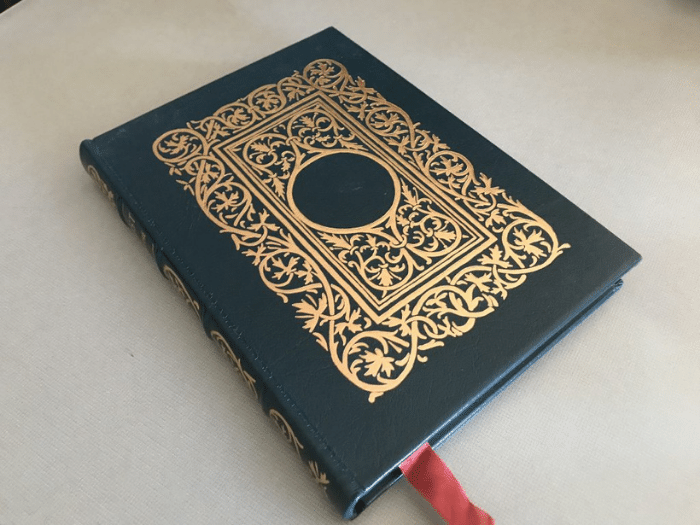
The DnD Worldbuilder’s Journal has a flashy, classic-looking dungeons and dragons cover, along with hundreds of pages of journaling prompts. The quality of the journal is good. However, let me be clear that this journal is not – as I define it – a true DnD campaign planner.


The DnD Worldbuilder’s Journal is guide to help dungeon masters conceptualize their campaign world. If you’re creating your own campaign without the help of published campaigns or adventures, the journal acts as a very helpful writing exercise.


The Worldbuilder’s Journal does not have places for you to write in and systematically track major NPCs, events, places, items, or plotlines for your overarching story. It’s not really an organization tool, as much as a creative one. Still useful, just not in the same way.


I simply list the DnD Worldbuilder’s Journal in this article because I do think it’s a great way to stretch your creativity and benefit your DnD campaign. Think of it like a supplement to your DnD campaign planner.

Eternity TTRPG Campaign Planner

Fantasy Themed DnD Campaign Planner

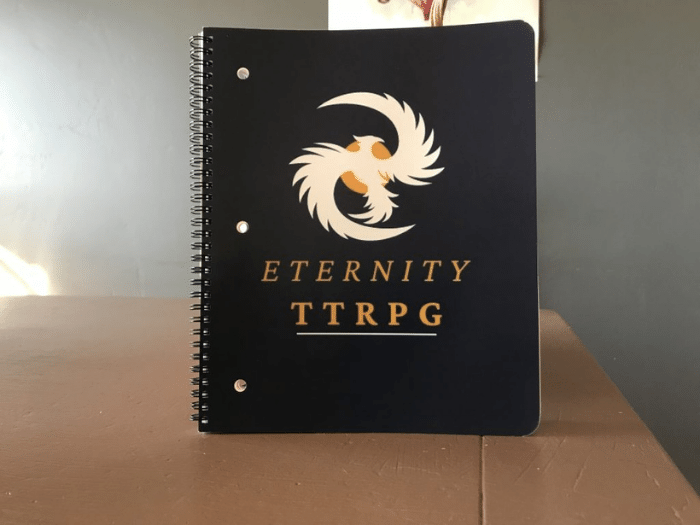
When it comes down to it, your other option for a physical and purchased DnD campaign planner (that’s higher quality than a basic notebook) is a fantasy-themed notebook.


The idea is to have a notebook that creates a spark of magic for you when you game. For me, great artwork in the form of a quality journal that’s fantasy-themed actually does put me into a frame of mind for gaming. It makes the game feel more alive, silly as that may sound.

I also have and utilize a couple styles of journals.


This journal with a gryphon imprint cover has unlined paper with a more medieval feel to it. I like the leather cover, the fantasy art cover, and the clasps that lock. It’s a classy journal for keeping notes and ideas written down. The free-form space on the page (unlined) is also nice for adding artwork or drawings of your own. This is the kind of journal I use for worldbuilding or concept creation with stories and character. It also makes a great DnD campaign planner, so long as you keep track of which pages hold what information.


Then, there’s this kind of planner with a dragon cover, which is a little more practical as an all-around campaign planner. The harder cover makes writing easier. It’s got a bookmark to help quickly reference where you last left off. And the lines on the page make note keeping a bit more organized. It also has the great fantasy-themed artwork and graphics at the bottom of each page that make the journal feel like it belongs in your game’s fantasy world.


For either planner, I’d recommend getting some kind of sticky notes or reference tabs so you can keep track of specific elements in your journal.


2. Digital DnD Campaign Planner Purchasable Options

There is an ever-expanding list of options available nowadays for digital DnD campaign planners. Even though I don’t always love having computers at the gaming table as I feel they can be a distraction at times, I can’t deny their usefulness.

Very serious gamers who are great with technology have put together virtually perfect ways to track your DnD campaign, online, through a number of websites.


Note that you don’t have to have an online game of DnD in order to benefit from these digital resources. These online campaign planners complement tabletop games, as well. Either use a computer or phone during your game, or simply reference your online notes beforehand. 


Basically, good digital DnD campaign planners do more for you than any notebook system you could probably ever create yourself. Like I said, I’m coming around to the idea more and more, even considering as much as I love my fantasy-themed notebooks, and the like.


Let’s take a look at some of the best options:
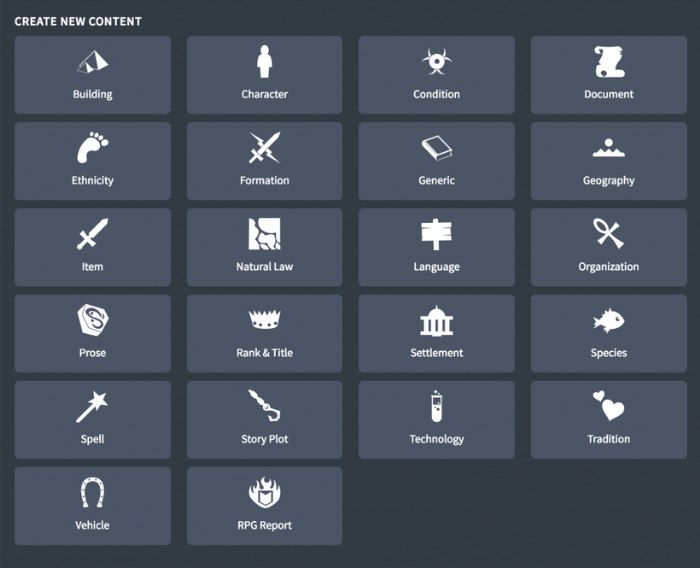
World Anvil Online Campaign Planner Tool

Epic World Builder

I recently came across Epic World Builder from their team reaching out to me, at the Eternity TTRPG site. Normally, I don't pay a lot of attention to incoming emails, but in their case, I was really intrigued in their product, right from the start. The team at Epic World Builder told me that what makes their online campaign planner option so unique is that it's almost like Google Maps, but for your game's world.


Epic World Builder allows you to import maps, then "pin" notes to specific locations on that map, which can then even take you to a page you can create for that location. Specific location pages can have additional notes, plus their own maps, and their own pins. You can literally go from viewing an entire continent, down to a city, to a specific building in that city, and to the dungeons contained therein, all with their very innovative campaign tools.


As a huge tabletop gamer myself, I recently signed up for their "Silver" plan which comes with most of the basic goodies, for only $5/ mo.


Epic World Builder also has name generators for fantasy races, an amazing dungeon builder, a growing library of free maps (located in their "Store"), and so much more.

Epic World Builder Banner

World Anvil

World Anvil, in my opinion, is by far the best digital DnD campaign planner option. They have both free and paid subscription options. From my experiences so far with World Anvil, even the free version is worthwhile. Their paid prices range from $5-12/ mo, with yearly options that save the cost of 3 full months.


World Anvil is like having your own custom website specifically for your gaming group – and perhaps gaming fans (more on that, below).


First off, World Anvil claims to have built-in compatibility with hundreds of games (as of the writing of this article). DnD 5th edition, Pathfinder, Savage Worlds, Call of Cthulu, Star Wars, Cypher System, Legend of the Five Rings, Zweihander… the list goes on. This is valuable info because all resources provided by World Anvil are already set to go with whatever game you’re playing. One less step with which to concern yourself.


This campaign planner also has places to keep track of virtually every aspect of your campaign. Villains, NPCs, plotlines, religions, world history, artifacts, gods and demigods, towns, cities, organizations, and more. It’s the easiest organizational tool that I’ve ever seen for DnD.


You can share notes with players – or only certain players, if you wish. Your players can interact with one another. And you can even show off your campaign world and stories to other gamers, through World Anvil’s website.


An especially great idea that I enjoy about World Anvil is that you can monetize your campaign. If you’re passionate about world and campaign creation, the World Anvil Sage Worldsmith subscription (at the bottom of the page) gives you a place to share your skills with the gaming world, and earn money for doing so. Pretty neat setup.


Other Digital DnD Campaign Planner Options

This guide wouldn’t be complete without listing some of World Anvil’s competitors. I haven’t tried them all, and to be honest, I probably won’t. World Anvil provides everything for gaming that I need.


If, however, you’re looking for a feature that World Anvil simply doesn’t provide, or you’d like extra options to explore for yourself, you may take a look into these:


  • Obsidian Portal
  • Kanka
  • Scabard
  • DnD Campaign Planner


All of these sites have both a free and paid subscription options. They have many of the features of World Anvil, but not all. They’re solid platforms, just with less momentum, customization, and communities than World Anvil. That doesn’t mean they’re any worse.


There may even be one or two features or benefits unique to each site that I simply haven’t seen yet. If you’re interested in exploring for yourself, I encourage you to do so.
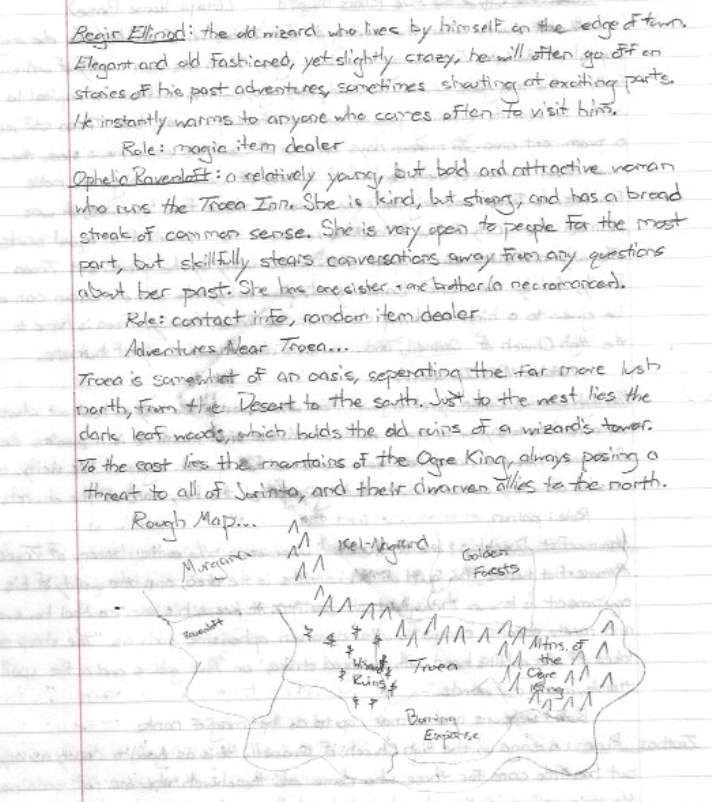
Early DnD Campaign Planner

3. Free Physical DnD Campaign Planner

There’s nothing wrong with using a notebook and pencil/ pen to keep all your campaign’s notes. In fact, I literally did that, with no additional organization, for the entirety of my early gaming years, and even up until maybe 5 years ago. And even then, I only “upgraded” to using Word documents on my computer, but still with no special tracking system.


My point is, notebooks and pencils work really well for tabletop RPGs, and they always will.


There are distinct advantages to having a physical DnD campaign planner (over a digital one), if that’s your style:


  • There’s something magical about having something physical for your DnD game. There’s a reason people still buy physical DnD core rulebooks. The magic of creativity written in notebooks matches the magic of fantasy gaming. I don’t 100% know why. It just does.
  • I really enjoy when there aren’t computers at the gaming table as I find it helps everyone more easily get into the flow of the game’s story. 
  • There’s something very satisfying about the tactile experience of a piece of paper. Many times, I even print out parts of my game that I’ve already typed out, just to have the paper on-hand.
  • Notebooks are easy to store and easy to find. I keep all my game’s notebooks in a series of red storage cubes, right next to my gaming table.
  • If you need to make quick notes on your campaign, your character, plotlines, or anything related to your story, just grab your campaign’s notebook and write it down real quick. No need to wait for your computer to boot up.


Nowadays, I like a little mix between physical and digital in my ongoing TTRPG campaigns. But I still heavily utilize notebooks. Especially when it comes to creating mega dungeons for my players (I consider a “mega-dungeon” an 8-hour+ event, or one that runs multiple gaming sessions).


Though it’s not technically free, a notebook of graphic paper (as shown immediately below) only costs a few bucks. I put this in the “free” category because it’s so inexpensive and accessible.


If you’re new to DnD or you just need a quick and easy way to go, I do recommend grabbing yourself a couple notebooks for your campaign. Even basic organization for your game is worth the time and effort. 
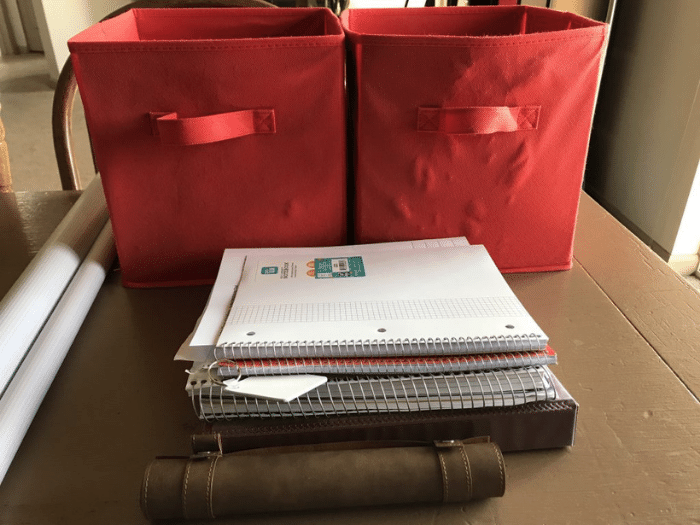
DnD Campaign Organization and Storage

4. Free Digital DnD Campaign Planner

When it comes to digital resources for DnD, I often use Dropbox and Google Drive. Both are platforms for file sharing that work with virtually all files types. You can also work on Word documents, Excel documents, and the like, online, though these platforms – even if you don’t have a Microsoft Office subscription. They’re very handy.

If you can share extensive notes and writings, pictures, music, and you have a way to interact with your gaming group, you’re good to go. It doesn’t need to be fancy to work.

It can be good to start with a free option for keeping notes on your campaign. Especially if you’re new to longer DnD campaigns, there’s not really any need to invest in something until you get a handle on what you really need.

I will say though that after using programs like World Anvil, and seeing how other dungeon masters organized their campaigns, I did feel better creating my own system of organization. Sometimes it is worth the money to invest in a paid option so you gain an education, of sorts. 


Improve Your DnD Campaign Story Quality

So, not 100% sold yet on why you need a DnD campaign planner? No worries. Read on and see if your mind changes.


Becoming a great dungeon master takes time, practice, and a lot of organization. I almost can’t stress the organization piece enough. Even if you have a great memory, can you remember all of the following things for your player’s characters without help:


  • Name
  • Family name
  • Background
  • Why they became whatever class they decided upon
  • Goals
  • Major beliefs
  • Fears
  • Other characters to which they’re connected
  • And so on…


Now, think about remembering all that info (and possibly more) for every player in your group, every worthwhile NPC, and every villain. It’s simply too much. Especially for an entire DnD campaign.


But here’s the thing – if you don’t find a way to remember all of those important details, then you miss out on opportunities for the following:


  • Developing plotlines
  • Foreshadowing future events
  • Creating dramatic and dynamic twists
  • Closing up loose ends
  • Creating cohesive plotlines
  • Adding believability to your story


Basically, if you’re only playing 1-10 gaming sessions for perhaps a total of 30 hours of gameplay, you may not need to track all of these things, and your story may not suffer as a result.


When we’re talking about a true RPG campaign that lasts for literal years and hundreds of hours of gameplay, though, you might have dozens of characters (or more), dozens of plotlines both large and small, unsolved mysteries, and more. This may sound daunting, but it really doesn’t have to be, with good organization.


If you want a truly epic campaign that people look forward to week after week, you need a way of tracking the small details of your game. If you haven’t used a campaign planner of some kind before, you will be amazed at the difference it brings to your game.
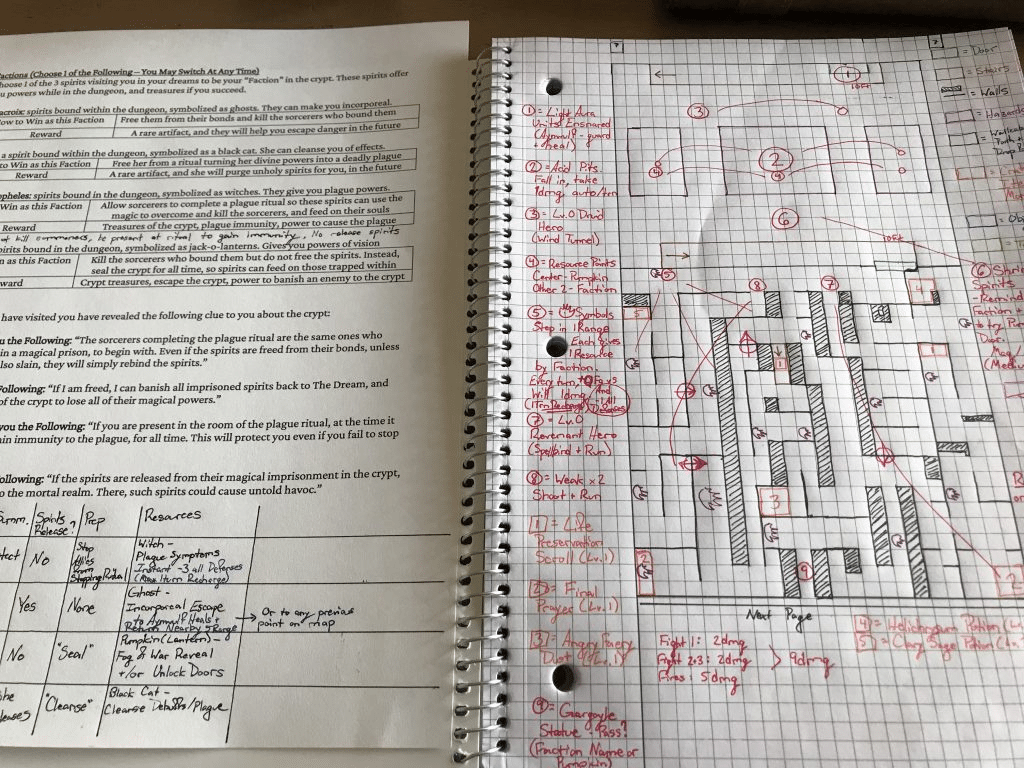
DnD Dungeon Planner

Connect Characters to Your Story

One of the main ways to connect players to your game’s ongoing story is to connect their character to the world you’re building, in every way imaginable.


There are obvious ways, of course:


  • Character’s family
  • Communities and organizations to which they belong
  • Hometown or home nation
  • Guilds or groups established by NPCs who share the same class
  • Character goals
  • Character fears


But what if you could attach players’ characters in smaller ways? I find that it’s often the small details of your game or story to which players really connect. Before players buy into the main storyline you’re creating, they want to find their own place in your gaming world, in their own way.


For example, I’ve found that players enjoy connecting their characters to the story in some of the following small ways:


  • If they chose a race for their character that’s rare in your world, they might want to meet NPCs and see their “culture,” for help getting into the feel of their own character.
  • They might create a small item or artifact in connection to their character that has some small or relatively inconsequential powers. You can tie that item to the main story in a way that works for you, which pulls them in, too.
  • Similarly, I’ve seen people give their characters roleplay powers that aren’t expressly present in their class. Why make it a big deal? If I can use that power to make them feel important and give them a “place” in the party (as in, I do “this” for our group, which makes me unique), then I’m all for it.
  • Some players enjoy pets. They may even want their pet to fight in combat. I usually allow such things, because again, it connects players more to the game world.
  • If a player gets into a lot of detail when it comes to their character’s looks, weapons, armor, or spell effects, find ways to connect those into the story. Perhaps they describe certain symbols or runes for their character. Why not have the character find those same runes somewhere along their journey? That kind of thing makes people feel more connected to the game world.


Bottom line: you need to track the details of your campaign to make these connections for your players. 


Make Your Gaming Experiences Epic

In my experience, the best tabletop RPG gaming moments come when great stories merge with in-depth character building and compelling character connection to the game world.


I’ve had tabletop RPG campaigns with friends 10 years ago that we still sometimes talk about today. Only the best kinds of moments in life get remembered and talked about 10 years later.


There is a level of tabletop gaming that’s fun. It’s good social time with friends, it’s chill, and it’s a great venue for neat experiences and some junk food.


But then there’s epic gaming experiences. Where people literally focus all their energy on the gaming table. Tensions are high in the best way. Everyone white-knuckles their dice. And every word spoken is either in a hush or is a borderline cheer or scream. These are the moments that touch deep into your being and remind you of how theater of the mind can be so much better than watching a movie, and how roleplaying a character of your own can be so much better than the best books available, anywhere.


You want epic gaming experiences. It takes effort to get there. That effort begins with a campaign planner that nails down details, from the very start.


Eternity TTRPG Article Shop

Keep Your Campaign from Falling Apart

When I was in college, I had a regular gaming group that met almost every weekend for 2+ years, for about 4 hours of gaming each session. It was magical. It also made tracking details easier, as the game was always fresh on my mind.

Now that I have a career – and so do all my friends – it’s not so easy to game every weekend. In fact, in some cases, it can be a month or so before the entire group games together again. During those long times apart, people do forget what the actual fuck is happening in the storyline. Shocker, right?


So, when people need refreshers, you can all either stumble through 15 minutes of trying to figure out what happened last time. Or, you can pull up your campaign notes (wherever you have them), and jog everyone’s memory.


I will definitely say that if you don’t keep notes on your campaign you run the real risk of everyone forgetting the important parts of your campaign. And if that happens, chances are high that your DnD campaign will fall apart, entirely.


Or, equally bad, no one remembers what’s happening in the story, so you just sort of wing it and come up with a new story. Which of course, because your on-the-fly story makes no sense and doesn’t connect with characters or the story up to that point… then your campaign falls apart. Ask me how I know. If, however, you keep a simple log of events, it’s much easier to get everyone back on board with the main story, and keep the campaign going for the long haul.


DnD campaign planners give your game a degree of immunity to death by stagnation.
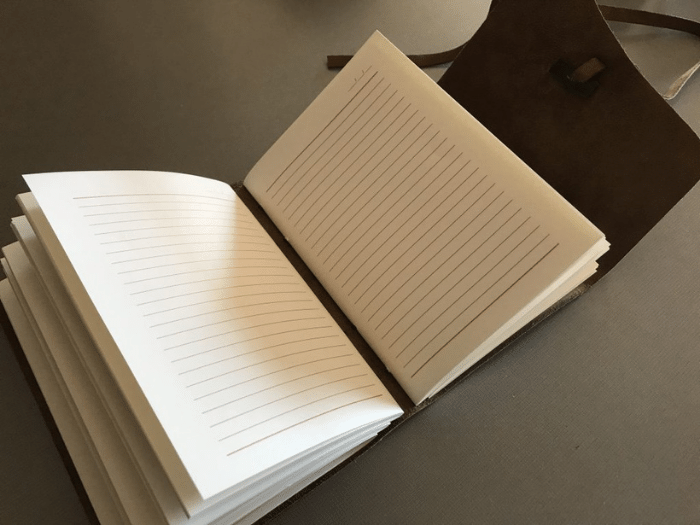

Inside of.a DnD Campaign Planner

Improve Your Next Campaign

From time to time, I sit down and study my past campaigns. I don’t spend a ton of time on it. But since I keep a campaign planner for all my tabletop games, it’s very easy to sift through my notes.


I’ve had absolutely stellar campaigns. I’ve also had entire campaigns that flopped.


If you’ve never gone through your old campaign notes, you will be amazed what you learn about yourself as a person, dungeon master, and storyteller by looking through your old gaming notes.


Let the games and campaigns that didn’t fly go – just use them as a learning experience. But learn from them, and make your next campaign better than ever before. You deserve it. Your players deserve it.


Level Up Your Fun

The final reason why you need a DnD campaign planner is that – in life – what you invest in gains energy. If you want to have the most fun possible playing DnD, make sure you invest enough energy into your craft to make it fun.


I had extra time this Fall, and decided to create a new Halloween-themed mega dungeon for my gaming group. I put about 13 hours into the dungeon itself. Not to mention a couple hours of Halloween decorations, etc.


Note, that you don’t need to put that much time into your game to maximize the fun. But we are going to have a shit ton of fun. Everything I have planned out basically guarantees that.


When you put time, effort, and detail into your game, your game gets better. So, invest some time and energy into planning your game, taking notes on your game, and studying your game. It will automatically level up your dungeon master skill, and your groups level of fun.


Simple as that.


Play a TTRPG with a Built-In Campaign Planner

I understand the value of a campaign planner. That’s why in Eternity TTRPG, I built the campaign planner into the core of the game’s system. Each player has a character sheet – of course. But in addition, all players together have a “Campaign Sheet,” that acts as the “campaign’s character sheet.” On that sheet, you can keep track of major events, NPCs, places, villains, story lines, and more.


Oh, and did I mention that Eternity TTRPG is a group GM game? Obviously, I’m biased. But I think Eternity is the best game out there that you’re not yet playing. Grab a copy and enjoy! You’ll thank me for the built-in campaign planner.

Share This Article

Jacob Tegtman Eternity TTRPG Creator

Author - Jacob Tegtman

Dear reader, I hope you enjoyed this article. Tabletop gaming has been a passion of mine since I was 6 years old. I've played just about every game from Dungeons and Dragons to video games like Final Fantasy. These games have inspired me, made me laugh, made me cry, and brought me endless hours of enjoyment.


I started Eternity TTRPG - and the indie tabletop game that goes along with it (Eternity Shop) - to share my love of gaming with others. I believe that in our technology-driven age, tabletop games help bring a sense of magic and community back into our world.


If you love the site, please share it with others! I have lots of gaming-related material for you to peruse and use in your own gaming sessions. If you have any questions about the site or want to contribute, just send me a message using the "Contact" page, which you can find in the site's footer.
A fantasy illustration of adventurers battling a large dragon
By Jacob Tegtman March 13, 2026
Transcribed content from our recent YouTube video: https://www.youtube.com/watch?v=3N3isve9svc Transcription Wizards of the Coast just brought back a piece of D&D history… and longtime players are doing a double take. After nearly a decade gone, D&D Encounters is officially returning to local game stores . If you’ve never heard of it, D&D Encounters was a weekly organized play program where people could drop into their local game store and play a short, one-session Dungeons & Dragons adventure —no long campaign commitment required. It was basically D&D’s version of Friday Night Magic . Show up. Grab a character. Roll some dice. But the program disappeared back in 2016. And now Wizards of the Coast is bringing it back… which raises a few interesting questions. Is this just a nostalgic revival to bring new players into the hobby? Or is something bigger happening behind the scenes? Let’s break down everything we know. Welcome back to Eternity TT RPG , your party’s source for the latest Dungeons & Dragons news, updates, and community info . And today we’re talking about the surprising return of the classic organized play program . Back in 2010 , during the D&D 4th Edition era , Wizards of the Coast launched something called D&D Encounters . The idea was simple. Local game stores would host weekly D&D sessions where anyone could drop in and play a single short adventure . Each session even revolved around a 60–90 minute encounter , meaning you didn’t need a full campaign commitment. It was perfect for: • brand new players • busy schedules • or anyone who just wanted to roll some dice after work. And Wizards supported stores with exclusive materials , including: • adventure booklets • posters and maps • character sheets • and sometimes even custom miniatures . But in 2016 , the program disappeared. It was replaced by Adventurers League , which shifted organized play toward longer, interconnected campaigns instead of single-session adventures . At that time, D&D Encounters didn’t really fail. Wizards shut it down in 2016 when they reorganized everything under Adventurers League. But now that organized play has gotten complicated again—and new players struggle to get started—Wizards might be bringing back the exact entry point that they removed.” Which, speaking of, on the topic of the D&D Adventurers League. It’s still technically a thing , but its status is also a bit… complicated. · It still exists and people still play it. · But official support from Wizards of the Coast has been much lighter in recent years on that front, as well. So that program itself hasn’t been shut down. But the catch is that support has slowed. · There have been fewer new official adventures produced recently. · Wizards has been experimenting with other organized play initiatives , like we’re talking about today, and seasonal events. · Much of the Adventurer’s League infrastructure is now community-run or maintained through Discord and fan sites . That’s why the return of D&D Encounters is raising eyebrows — some fans wonder if Wizards is shifting toward shorter, store-focused events rather than the larger shared campaign model. Right now speculation in the community is that: · D&D Encounters will serve as an easy entry point for new players, which Wizards of the Coast is likely keen to acquire. · Meanwhile the Adventurers League will remain with ongoing campaign play for long-term, dedicated players But – and as with many things – Wizards hasn’t officially clarified their long-term plan yet. Ok, so all of that background aside, let’s fast forward to 2026 . D&D Encounters is coming back. The announcement happened during this year’s GAMA Expo , one of the tabletop industry’s biggest trade shows. And this new version of it sounds very similar to the original concept. Short… Accessible… Single-session adventures designed for drop-in play. Which honestly makes a lot of sense. D&D has exploded in popularity, but getting new players into their first game is still one of the biggest barriers . A weekly store event could potentially solve that problem. At least in theory, and I’ll get back around to this in a minute. But the basic thought is that new players can show up. Grab a pre-generated character, so they don’t need to worry about min-maxing or even understanding character creation rules. Roll initiative. Boom—you’re playing D&D. So, now the problem with that. This is the same concept that Wizards of the Coast uses with like Magic: the Gathering. I don’t know what your local game store’s like, but when’s the last time you saw a new player come to drop in at your weekly league night? Or even starter deck tournaments, for other games or events? In my experience, the in-person player base is slowly dwindling for most games. And, I think that’s actually pretty sad. D&D is clearly a social game, and I think you can something from the overall experience without in-person play. Not that I mind digital play, and I realize digital also comes with its own advantages. But, the bottom line is that I’m not really sure just opening a weekly D&D Encounters night at local game stores will actually pull in a lot of new players to the game. Ok, so a little bit more framework into this. The new D&D Encounters program will also tie into something that Wizards recently introduced, called D&D Seasons . These are three-month themed releases built around a particular concept. For example, the upcoming three sets will be: • Horror themed adventures • Magic-heavy campaigns • and finally, Champion focused stories D&D Encounters will help kick these seasons off by providing stores with Opening Weekend Play Kits , we think, based around these themes. The kits released for reach segment of the year will launch alongside major D&D book releases . These kits will most likely include: • prewritten encounters • promotional materials • store support tools • and possibly exclusive content. Wizards also mentioned weekly play support , though they haven’t revealed exactly what that includes yet. And they’re planning coordinated community events tied to each release. Basically… They’re trying to turn D&D launches into mini events at local game stores . So why is Wizards of the Coast bring back D&D Encounters now? A big part of it seems to be Wizards refocusing on local game stores . Over the past few years, a lot of D&D play has moved online. Between: • D&D Beyond • Virtual tabletops • and streaming games Many players never step into a physical store anymore. Traditionally, stores have been the lifeblood of tabletop gaming communities . I’m not so sure that’s true anymore. There seems to be a BIG shift away from many traditional models, in the tabletop gaming space. However, D&D Encounters does give stores something extremely valuable: consistent weekly events that make it easy for new players to come in the door. According to Wizards leadership, this move is part of a broader push toward a franchise-style model for D&D releases , led by VP Dan Ayoub . Instead of one-off books… They want ongoing seasonal engagement . Whether or not Wizards is really in-touch still with the D&D community, and this is an accurate call, remains to be seen. But, you can see based on what they think is happening, how they would feel that D&D Encounters would fit that model. So, of course that brings up another pretty big question., which is: w hat happens to the D&D Adventurers League? Because, as I’ve mentioned, the organized play program has been… pretty quiet lately. Like, for a while. There hasn’t been much new official content in recent years, in fact. And Wizards hasn’t said whether D&D Encounters will replace , supplement , or revive parts of the Adventurers League. So, right now, there’s no official answer. But many fans are speculating that D&D Encounters might become the easier entry point , while Adventurers League remains the deeper campaign system. But my impressions at the moment are that unless D&D Encounters really takes off, and creates a need for the Adventurers League to grow, then I don’t think it will be getting any more support from here than what it’s been getting. So, here’s the thing. D&D’s a great game. For many of us, it was the first TTRPG we heard of, and got us into the hobby. It’s... no longer the best TTRPG out there, and hasn’t been for some time. I created a whole multi-article series on this, comparing the top games, on the Eternity TTRPG site – and even that list needs updating. But I think for most of us, we’d love to see the hobby grow. If you’ve ever played TTRPGs in person, around a real table , you know that the dice rolling, the Miniatures clattering, and watching someone dramatically failing a persuasion check – in person, are all magical moments. Short low-commitment sessions like D&D Encounters is offering may be one of the best ways to introduce new players. And that is exactly what D&D Encounters is designed for. If Wizards executes this well… It could become a gateway program that brings the next generation of players into the hobby . Do I want to be pessimistic about this new program working the way Wizards intends? No. Am I though..? Yeah. I think new players will continue to find the hobby, but I think D&D will continue to lose market share. For new players who get into the hobby specifically through D&D, I think this D&D Encounters program will only be generating a very small percentage of those new people. Will I try out a D&D Encounters session at my local game store? ...maybe. Like many of you, I’ll probably wait to see what the buzz is around it first, to see if I might enjoy dropping in. But I do hope that is amazing, and that everything Wizards of the Coast is trying to do with it actually provides what their main audience has been asking for. So what do you think? Is the return of D&D Encounters exactly what local game stores, and the tabletop roleplay game community needs… Or is this a sign that Adventurers League and the overall organized play may be fading out in one final effort ? Let me know in the comments. And if you want more weekly D&D news, community info, and tabletop updates , make sure you like the video and subscribe. Because the dice never stop rolling here.
A vampire sits on a dark throne holding a wine glass, with the text
By Jacob Tegtman March 11, 2026
Transcribed content from our recent YouTube video: https://www.youtube.com/watch?v=2z2fTaAQS3g Transcription For months the D&D community has been asking the same question… “Where are all the new books?” Well—Wizards of the Coast finally answered. 2026 is bringing Ravenloft horror, high-magic arcana, a Feywild heist romance, and… a crochet owlbear. Yes. Really. Today we’re breaking down every single Dungeons & Dragons book announced for 2026 —what they are, who they’re for, and which ones might actually change your campaign. Welcome back to Eternity TTRPG—your party’s reliable source for Dungeons & Dragons news, lore, and tabletop chaos. Today we’re going through the entire 2026 D&D release schedule . There’s quite a few books, so this list is meant to give you the quick, clean, and minimal filler low-down. If anything sounds good, you have something to start on for your own in-depth research. So, let’s get started. The biggest announcement so far for 2026 is: Ravenloft: The Horrors Within , Releasing June 16th, 2026. This new sourcebook expands the Domains of Dread , the gothic horror setting originally ruled by Strahd. For Dungeon Masters, the book adds: • new Darklords • new monsters • and expanded guidance for running horror-themed campaigns . That includes subgenres like: • gothic horror • cosmic horror • and psychological horror. Players get new options too: • horror-themed subclasses • new species and backgrounds • and expanded Dark Gift feats . The book also expands the fear and dread mechanics , which could add some serious tension to horror campaigns. And yes… Legendary monster hunter Rudolph van Richten is making another appearance. Preorders begin April 13th , and digital versions hit D&D Beyond early in June . So horror fans—Is Ravenloft your favorite setting, or are you still loyal to Curse of Strahd? Then in September 2026 , we get one of the most mysterious releases: Arcana Unleashed. Wizards of the Coast calls it a “high-magic sourcebook.” What we know so far is that it introduces new arcane subclasses from earlier Unearthed Arcana playtests. Plus: • new spells • magic items • artifacts • and expanded customization options. But the biggest addition might be a new “evolving magic item” system . That means magical gear that levels up alongside your character, which if done properly – could be pretty cool. This kind of thing could also change how treasure progression works in campaigns. We also know though that if this idea is done poorly… Well… could lead to certain things from this book being banned at some tables. Launching alongside Arcana Unleashed is an adventure expansion called: Arcana Unleashed: Deadfall. This adventure ties directly into the main Arcana Unleashed book and features the infamous Red Wizards of Thay . The story reportedly involves a massive magical war , with new lore about the organization. And interestingly… A Red Wizards adventure was originally teased way back in 2023’s D&D Direct event , so this might finally be that storyline. We don’t yet know if this will be: • a full physical book • or only a digital D&D Beyond adventure . But if you like Forgotten Realms villains… The Red Wizards are about as dangerous as it gets. Next up is something aimed at specifically Dungeon Masters : the Dungeon Master’s Workbook of Worldbuilding, releasing May 5th . This one is all about building better campaigns. The book includes exercises designed to help DMs: • design campaign worlds • create memorable NPCs • build maps • and improve improvisation skills. Which honestly might be the most important DM skill of all. Because no matter how much you prepare… Players will always find a way to kick down the door that has nothing behind it. At least until you create something on the fly, that is. So, this workbook aims to help DMs build living worlds instead of static storylines. I got some really great advise when I first started DMing, which was to steal everything. I think these kind of thought-provoking books help synthesize great material into something that’s also – at the same time – entirely your own. Alongside the DM book, and launching the same day, is something aimed at new players and storytellers . This is an interactive companion to the D&D 5.5e Player’s Handbook . Instead of rules, the book focuses on guided character creation . It includes prompts that help you: • build backstories • connect your character to the party • and design personal motivations that actually matter in the campaign. Think of it like a creative writing workbook for D&D characters. If you’ve ever stared at a blank character sheet thinking… “Uh… I guess I’m an edgy rogue with amnesia? Oh yeah, and I’m an orphan – definitely, always an orphan.” This book might actually help. And I mean that in a kind way. Nearly everyone benefits from a bit of help thinking through interesting character creation, without relying on the same tropes that Final Fantasy characters have been relying on for a few decades. Then, we have something completely different. The Feywild Job releases June 30th . And this one is actually a D&D novel , not a game book. It’s written by C.L. Polk , a Nebula and World Fantasy Award-winning author. The story follows two former lovers turned thieves hired to steal a magical artifact from the Feywild. So imagine: • magical heist story • romantic tension • with chaotic Feywild politics. Basically romantasy meets D&D crime caper. Which honestly feels like the most Feywild thing possible. Every now and then I can get into a D&D novel. Maybe you’re like me and it’s been enough time to give a new novel a try. Finally, we have Dungeons & Dragons Crochet: A Book of Many Patterns. Yes—this is a real official D&D book. Written by longtime D&D contributor Stacy King , it includes 20 crochet patterns inspired by the D&D multiverse . We’re talking: • Owlbear cub plushies • Mini beholders • And even a handmade Bag of Holding So, this obviously isn’t a rules book. It’s basically crafting for D&D fans who want to bring the monsters to life—literally in yarn. Kind of like D&D cook books, but crafts version. Which, by the way, I’ve seen a lot of these kind of things selling like hot cakes at local conventions, so you know it’s going to be in-demand. Buy it for the ladies in your weekly D&D group who are into crochet. Ok, so I lied. There’s a bonus round here, which is one possible future release. There are strong hints that Dark Sun might be returning, which I shared about a couple months ago in a previous video. Recent playtests included subclasses tied to the setting like: • Gladiator Fighter • Defiler Sorcerer • and Sorcerer-King Warlock. Those are classic Dark Sun themes . So, while nothing is officially confirmed… It’s very possible we’ll see a new Athas sourcebook in 2027. And if that happens? It would be the first major Dark Sun release in decades. I’d be super into seeing something like that come down the pipeline. That’s the full Dungeons & Dragons book roadmap for 2026. From crochet monsters… To gothic horror… To evolving magic items. It’s actually a pretty diverse lineup. But, now I want to hear from you: Which of these books are you most excited for? And which one are you skipping entirely? Drop your thoughts in the comments. And if you want more weekly D&D news, lore, and tabletop chaos— Make sure you subscribe. Until next time… May your dice roll high and your players never step through the door that you never prepared for.
Dungeons & Dragons logo with text:
By Jacob Tegtman March 4, 2026
Transcribed content from our recent YouTube video: https://www.youtube.com/watch?v=9vE0niUm8vU Transcription Wizards of the Coast has finally done it. After years of calling it “One D&D(?)”… then “D&D 2024”… and pretending it wasn’t a new edition, while kind of also insisting that it was… They’ve now officially named it what I had assumed the community at-large has been referring to it as now for probably at least a year, which is: D&D 5.5e. Was this the right call? Did, in fact, the community already decide this for them? And does this mean we’ve now officially entered into an edition war era again? Let’s talk about it. Welcome back to Eternity TTRPG — your go-to source for all things Dungeons & Dragons. Today we’re breaking down Wizards of the Coast’s official confirmation that the latest, 2024 rules update is now officially known as D&D 5.5e , what it means for the community, and whether this name change actually does anything. So, after years of brand confusion, Wizards of the Coast has indeed officially confirmed via a detailed FAQ that the 2024 rules update will now be called: Dungeons & Dragons 5.5 Edition. On D&D Beyond, all 2024 material will carry a “5.5e” tag, while legacy 2014 content will simply remain labeled “5e.” According to the FAQ, the reasoning is simple: Players mixing 2014 and 2024 content were confused about which rules applied. Which, yeah. No kidding. And honestly? If you’ve ever tried building a character using mixed subclasses, spells, and feats… you know that confusion is real. For years this thing – this edition – has had an identity crisis. First it was called One D&D — for some reason – positioned as “the future of D&D.” Then marketing shifted heavily toward “D&D 2024.” And now? We’re back to the old-school edition numbering convention. Wizards of the Coast says using “5e” and “5.5e” makes it quicker and easier to tell what rules you’re using — especially on digital platforms. Which, I agree. I actually got my start into D&D during the 3.5e era, so nothing crazy there for my generation. From a UX standpoint I think this also makes sense, especially as D&D continues to push their online gaming and presence. D&D Beyond has kind of always been a bit of a mess, to be honest. So any naming convention upgrade to simplify is kind of a win in itself. But here’s where it gets interesting… Wizards claims that “5.5e” matches how the community already talks about the game. But, to my surprise, it turns out the data tells a slightly different story. According to Google Keyword Planner data (March 2, 2026) — filtered across the US, Canada, UK, and Australia — here’s how the search terms stack up: “dnd 2024” – 6,600 monthly searches (+50% Year over year growth) “dnd 5.5e” – 1,300 monthly searches (+19% Year over year growth) “dnd 5.5” – 1,000 monthly searches “d&d 5.5e” – 140 monthly searches So while “5.5e” and its variant search options is growing… “D&D 2024” absolutely dominates search volume — almost 2.5x higher, and growing substantially faster, it turns out. Now, that doesn’t mean 5.5e won’t become standard over time. Especially with this “official switch,” it will. But this is an interesting choice since – this admittedly limited data, shows – that people were perhaps by-and-large finally beginning to actually adopt the “D&D 2024” title. So, I don’t think I’ve ever mentioned this on the channel, but my main profession is marketing. One small thing that immediately comes to mind is social media hashtags. You can’t use a period in hashtags. That means: #dnd5.5e – that’s out So is it #dnd55e then (?) #dnd2024, however, totally fine All this to say is that from a modern branding and searchability standpoint, “D&D 2024” is cleaner. It’s more searchable. More social friendly. Maybe a little easier to type. So this decision feels less like a marketing move… and more like a database clarity move. This is about tagging systems. Cataloging. Digital sorting. I think D&D is still having a bit of an identity crisis, basically. And with all this, here’s the bigger philosophical question. If it’s called 5.5e… Does that mean it’s officially a half-edition? Historically, we’ve seen this before. Like I’ve referred to a couple times already, Wizards of the Coast released 3.5e back in 2003 — and that absolutely felt like a mechanical overhaul. But 5.5e? Is... more like a systemic refinement. Core math remains largely intact. Bounded accuracy is still king. Monsters hit differently, classes are tuned, spells adjusted… But I’m not sure I’d say it’s such a huge departure from 5e, like perhaps 3.5e was from 3e. The community sentiment is mixed. Some players are relieved there’s finally more clarity. Others feel like the branding mess could have been avoided entirely, and I certainly agree with that. And then there’s the group that’s been calling it 5.5e for two years going, saying: “I told you so.” Ultimately though? The name doesn’t change the gameplay. By most metrics, the 2024 rules have been widely adopted and actively played. Which means whether you call it: 5.5e 5e 2024 One D&D Or “The Patch Update” The dice still roll the same. This move feels like an administrative correction. Maybe it’s helpful for clarity, but isn’t really what D&D needs to move forward right now after all of the mixed feelings people have had about D&D, Wizards, and Hasbro. Wizards of the Coast is aligning the digital ecosystem with how people track rules versions internally. Will 5.5e stick? Probably. Will people still Google “D&D 2024” for years to come? Absolutely. You know they will. But at the end of the day… A game by any other name still crits on a 20. So, what are you calling 5.5e at your table? Thanks for watching today! If you want more weekly D&D news, rule updates, and community deep dives — make sure you like, subscribe, and ring the bell. Otherwise, I’ll see you next session.
Show More