8 DnD Character Ideas and Backstories to Make Your Next Game the Best Ever
One of the best parts about DnD is creating a new character for a one-shot adventure, or for an entirely new campaign. To help you develop your best character yet, here's some DnD character ideas for you to play with.
Whatever DnD character ideas you have for your game can take on a life of their own. You can create your unique character with the most tragic backstory, OP skills, involved in the most unique plots. You can even design an entire world based on your imagination and just roll with it. There’s nothing stopping you.
If need some help coming up with some DnD character ideas to provide inspiration, this article is for you. Take one of these ideas and run with it as-is, or combine pieces from several of them to synthesize something all your own. Feel free to tweak these ideas in any way you want. After all, DnD is the most fun when you’re playing it entirely your own way.
DnD Character Ideas
- Alrien Animus: Royal Guard with a Change of Heart
- Valerian Raigor: A Skilled but Young Ranger
- Trystan Onlin: The Bard Who Lost His Homeland
Fun DnD Character Ideas
- Talliser Firebrand: Monk-In-Training
- Triella Eboncrest: the Unwilling Warlock
D&D Character Concepts
- Visitor from Another World
- Ambitious Commoner
- The Hero-Villain
DnD Backstory
- Mysterious Hooded Figure
- An Unknown Curse
Some of the following DnD character ideas are complete ideas you can take and use in your own game. Others are simply concepts or backstory ideas that are meant to help you piece together your own unique character idea.
If you need DnD Quest Ideas or DnD Campaign Ideas for your game, or by the way, be sure to take a look at those articles! They can be a great addition to this guide for DnD character ideas. You can also even use these DnD character ideas with Single Player DnD if you'd like to do some solo gaming. The only limit is your own creativity!
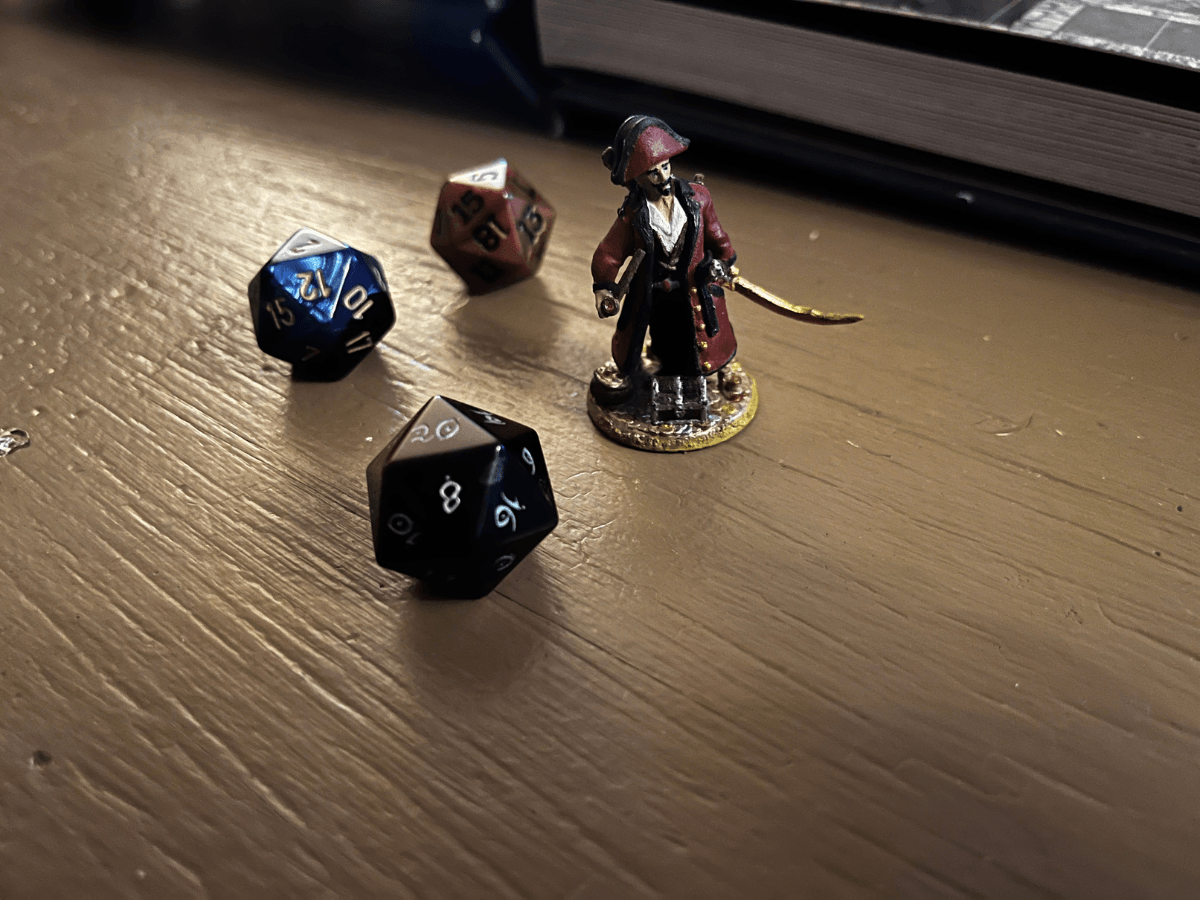
Captain Smack - one of my gaming group's more entertaining DnD character ideas. Smack was an NPC who became a legend. In a way, he was so unique that he became like a second PC for the player who came up with him.
DnD Character Ideas
Want to start your next campaign with a fully-designed character? Or, want to figure out how to instill more development for your current character? Here are a few of my in-depth DnD character ideas, covering everything from goals to personality, skills, background, and more.
Alrien Animus - Royal Guard with a Change of Heart
Your family is composed of a long line of fighters that have served the royal family for centuries. Your family's position is known as the "Royal Guard" - those who protect the royal famly at all costs. You were raised to believe that your sole purpose was to fight for your kingdom and serve the royal family, even if it meant sacrificing your life. After being raised in such a manner, you eventually grew up to be one of the kingdom’s greatest warriors. Because of your expertise in battle, you made your way up the ranks and eventually gained the royal family’s favor, along with a place of honor among your own family of notable warriors.
As you gain a higher position in the kingdom’s army, you are stationed in the royal palace itself. The longer you work in the palace, however, the more you notice strange occurrences. Guarding the royal palace seems to not be as glamorous of a position as you had dreamed. The reason is that - as much as you might try to ignore the fact - townsfolk and commoners are invited into the royal palace, never to be seen again. Instead, locked carriages exit the palace gates hours after the person's arrival, the same evening.
Before arriving at the palace, you had believed that no deed could be considered too harsh or inhumane if it was being done for the greater good of your king and country. However, the regular reports of missing persons, plus the locked carriages are beginning to change your mind. Townspeople are frightened, and commoners of the kingdom are on edge following the disappearances. Plus, there are rumors - of course - that the royal family is to be blamed. You want to talk, but your oaths as a royal guard prohibit you.
These key moments make you question everything you've lived for up to this point. With each new carriage that leaves the palace, your inner beliefs break a little more. Recently, the very foundations of what you thought you lived for, up to this point, have begun to crack.
One night, you made a decision to find out the truth. You stumbled upon an ominous room, filled with clues about where those missing villagers had gone. You'd probably known all along, but now the proof is irrefutable. You begin to accept that perhaps loyalty to your land is not enough of a reason to turn a blind eye to its crimes. From there, you abandoned your post, snuck out of the palace, and followed the carriage.
That one choice to embarking on this journey will lead you to uncover your kingdom’s darkest secret...
Eternity TTRPG Top Sellers

Eternity TTRPG Core Rulebook - PDF Download
Dungeon A Day Subscription
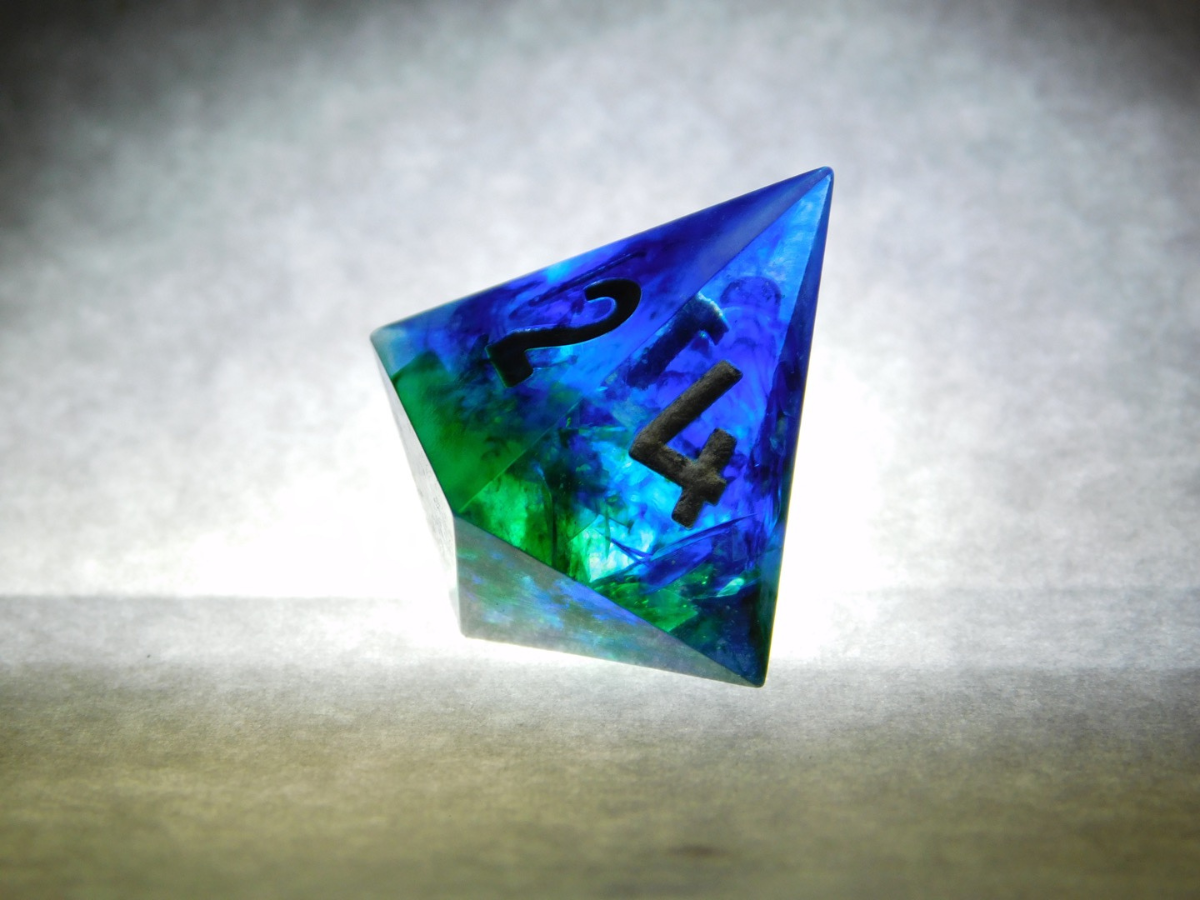
Deep Sea - Custom Dice

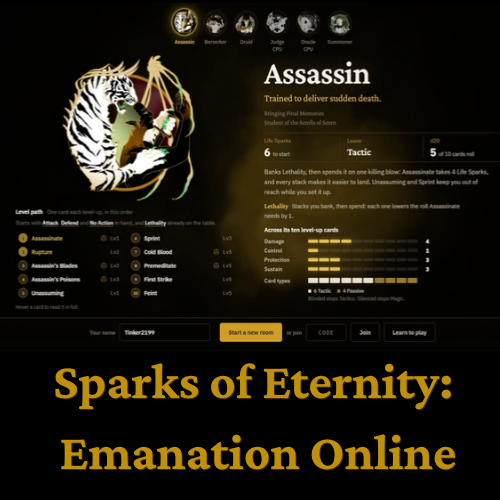
Sparks of Eternity: Emanation
Valerian Raigor: A Skilled but Young Ranger
For this character, you’ll be playing a skilled ranger that lives in a small village located on the outskirts of your kingdom. You are one of the youngest, but most skilled rangers in your village. You are quite young, but you have often been called a prodigy. All the praise goes to your head just a little bit, allowing you to become more confident in your abilities, though perhaps a little childish and proud at times.
For centuries, your village folk have protected a sacred artifact that has brought prosperity and peace to your land. But everything changes overnight when the artifact is stolen. With the artifact missing, the crops of your village become desolate, and the animals within the forest becomes ridden with disease.
With this new development, the village decides to send a team of their most skilled rangers on an expedition to recover the artifact. As one of the best, you are naturally selected as a member of the team. Although you are wary, and somewhat scared of traveling, and possibly fighting, you begin your journey to find the sacred artifact that brings so much good to the village.
Your greatest fear is that the members of your village have only called you skilled - a prodigy even - because you're as good as the village's best. But in a small village, you know that there's only so much competition. So, what will happen when you face true danger, against the best that the wider world has to offer? What if you aren't capable of supporting your team of rangers, and worse yet, what if you all fail to retrieve the artifact?
Trystan Onlin: The Bard Who Lost His Homeland
Ah, the life of a traveling bard. You go from one place to another, never staying in a village for more than a few days. Villagers and townsfolk enjoy the tunes you play on your lyre, and by the end of your performances, you can always expect a crowd and a round of applause. No one really knows your name or recognizes the songs you play, but you never stay long enough for anyone to ask. This life is at least peaceful, fun, and full of variety.
Though your days are full of mirth and music, the night sometimes brings too many memories. After all, the music you perform hails from your native land. It was once a small, but powerful kingdom, that has since perished. After your performances for the crowds, you perform your own lamentations for only yourself of the mysterious attack that destroyed your kinsmen and kingdom. You remember, each night, how you narrowly escaped the attack. How you've been constantly on the move to secure your survival, ever since.
In your dreams each night, you see yourself again casting spells of elemental magic, carried out through your music. But, when you awake each morning, you tell yourself to not use the elements again. Since the technique and aura of your elemental spells can only be cast by members of your homeland, you've decided to stick with ordinary folk songs to prevent your identity from being revealed. You’ve accepted that you will have to stay an ordinary traveling musician, perhaps for the rest of your life.
If it means survival, then the choice is worth the loss, of course.
That all changes, however, when you’re approached by a mysterious hooded figure who seems to know the tunes you play, and more importantly, their origins. It turns out that you’re not the only surviving member of your homeland. And it turns out that you actually know this hooded figure, and have often thought of her since the kingdom's fall.
From there, you’re roped into an epic journey to discover the secrets of the attack on your kingdom. You may just yet restore your sense of purpose, again awaken the elemental powers inherent within you, and bring about a peaceful conclusion to your kingdom's tragic past.
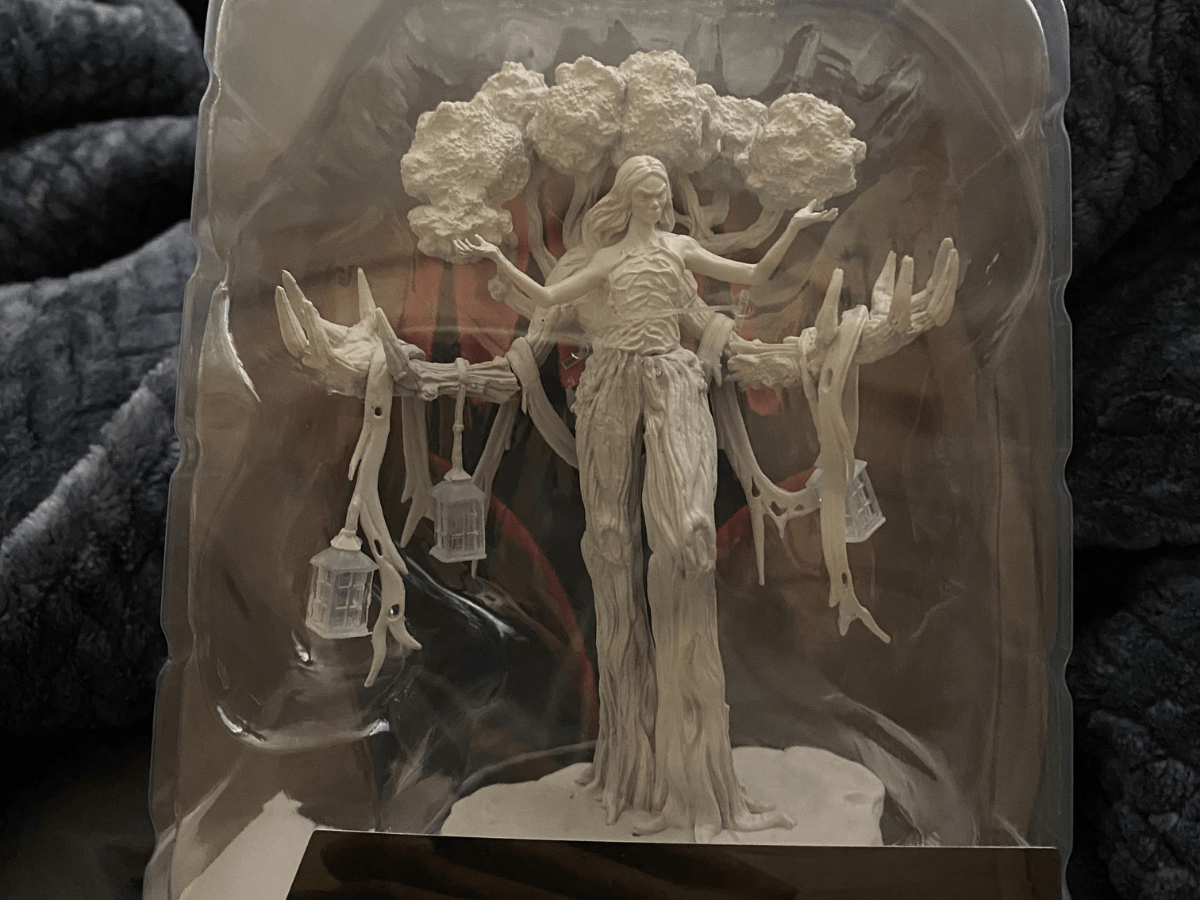
You can sometimes make some fantastic DnD character ideas from minis you find at your local gaming store. This one was a source of huge inspiration for my girlfriend's latest character.
Fun DnD Character Ideas
Sometimes a fun DnD character idea is one that isn't necessarily meant to be played for the long-term. These types of character ideas are great for DnD One Shots. Of course, with a little bit of extra work into these kinds of characters, they can still be great for an entire RPG campaign. It's all up to you!
One thing's for sure though. These are definitely some fun DnD character ideas:
Talliser Firebrand: Highly-Competitive Monk-in-Training
You’re a monk-in-training, one of the newest recruits under your teacher’s supervision. You’re pretty good for a newbie. You already have a basic knowledge in combat that was taught to you by family friends in your village, but nothing too fancy. You’re not good at fighting, exactly, but you’re not bad either.
What is really comes down to is that your skills are terribly inconsistent. Your movements might be calculated and skilled one moment, only to be completely clumsy and infective the next. Entering into a fight with you is essentially a gamble, for both you and your opponent. So, through your training and adventures beyond, you're sort of "stuck" as a half-competent, demi-liability.
However, you can never say no to a good fight, no matter how high your odds of winning are. In both training and adventuring, you simply cannot walk away from any kind of fight. In fact, you start them. All the time. Despite the fact that you may very well lose - and drag your allies with you into a losing fight - you just have to test yourself.
You know why you always pick fights. It's to see if there's some reason why you're incompetent half the time. Why are you able to defeat enemies with ease one moment, but cause more harm than good to yourself and your allies, the next? It's your mission to find out. And when you do, to become the greatest warrior these lands have ever seen.
An Ongoing Campaign with Talliser Firebrand
If you choose to take this DnD character idea even further, you're going to have to figure out what's going on with your ups-and-downs. Is there something bigger going on that causes you to be terrific in battle one moment, but terrible the next? Could it be some kind of curse? Perhaps some kind of family curse, even? Whatever path you take for figuring out what's going on with you, it could lead to an entire series of adventures.
Triella Eboncrest: Unwilling Warlock
You initially had no interest in becoming a warlock. Instead, you were content with living out your days as a fisherman’s child in a small village. You had plans of following in your father's footsteps, and eventually having a family of your own with children who are destined for the same, typical future.
You had no interest in gaining "power" or magical abilities of any kind. That sort of thing made you nervous. But somehow, your fate changed when you stumbled upon a shadowed entity along the shoreline. The entity seemed to fade in and out of your vision, but was certainly real. Though you were initially frightened of the being, it began practically begging you to make a pact with it. Which, of course, made it seem quite a bit less frightening.
After giving the entity a resolute "no" for an answer, you simply left it on the beach, resolving never to be involved with magic again. However, the entity began showing up near midnight in your room each night, pestering you for the pact. At the end of several months of sleep-disturbed nights, you began to waiver in your commitment to non-magic. When your father told you to stop making up stories, you saw no other way back to peaceful sleep. Eventually, you agreed to the entity's pact - whatever that actually meant.
Of course, the pact did give you magical powers that became difficult to hide. After a mishap in your village forced you to reveal the extent of your powers, you were unwillingly roped into an adventure by a group of magicians that desperately require your help. How will you ever get back to peaceful sleep and your former mundane life of fishing, now? All you want is to stop having magic at all.
An Ongoing Campaign with Triella Eboncrest
If you choose to take this DnD character idea even further, Triella will eventually have to contend with the powers she'd rather avoid. Whereas in a single adventure, Triella may not want to cast any magic during the gaming session, and may not want to be part of the story at hand at all, an ongoing campaign will force her into those very things. She'll probably have to figure out exactly what kind of shadowed entity she's dealing with, the true nature of the "pact" she formed, and contend with her own altered destiny.
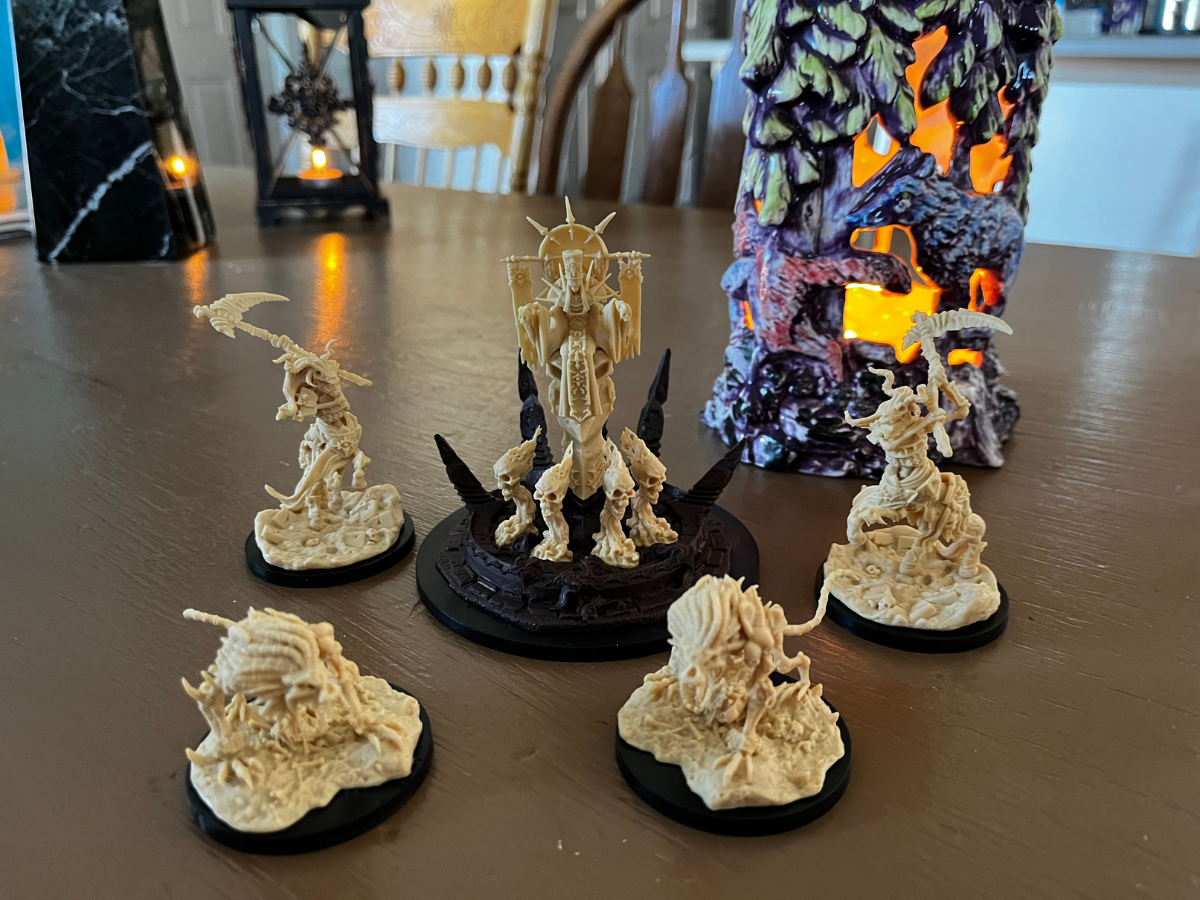
It can sometimes be fun to base your character idea around a theme or concept so that he/ she comes built in with a kind of backstory, or at least place in the game's story.
D&D Character Concepts
Sometimes, all you need is a bit of inspiration to get the gears in your head turning. These D&D character concepts are meant to provide you with the basic foundations of an interesting character, while leaving you with enough space to fill in your own details. Feel free to try out these D&D character concepts for your next campaign.
As a quick note, another great way to start with D&D character concepts is to use the pre-generated DnD character sheets provided by Wizards.
Visitor from Another World
Now, this is a character that I think everyone can have fun with. In this concept, you will be playing a person that has transmigrated into an alternate universe. Think about something like the movie "Spirited Away." Suddenly, a character from "our" normal world shows up in a fantasy world like DnD provides.
Of course, to play a character of this nature in your campaign, you'll really need to discuss with your dungeon master. If they don't feel that this DnD character idea fits for the campaign they're running, then you'll have to either adapt it or try something else, altogether. If you are able to play this type of character though, here's how it would work.
With only vague memories and fragments of your past life, you are suddenly thrown into a whole new world of wizards, warlocks, and intimidating warriors who look like they could snap you in half. Alternatively, you could remember your past life, and simply try to return to your own world. In either case, this new realm should shock and astound you. Everything that seems normal to other players' characters (magic spells, grand knights, castles, fantastic lands, etc.) should be basically unbelievable to you.
Over time, you - of course - discover that you aren’t just a bystander in this strange universe. Even in your previous life, you had always felt strange energy flowing within you. But in this world, the energy seems to have a way to travel through you. In a surprising moment, you create a burst of arcane power, narrowly saving yourself from a dangerous situation. It’s then that you begin feeling that perhaps you aren't so foreign to this new land, after all.
Ambitious Commoner
You’re sick and tired of living in the slums. You’re willing to jump at any opportunity that would aid you in making it big, getting rich, and finally being able to afford a decent lifestyle for yourself and your family. It’s then that you stumble upon an ad promoting a huge tournament between the greatest warriors in your land. The promotion captures your attention with the large sum of gold listed as its prize.
This is to be a battle of the fittest, and after staring at the poster for quite some time, sudden realization strikes you. A solution! Actually... no. Never mind. You know perfectly well that you have absolutely no chance of winning, seeing as you no experience in battle, whatsoever. Furthermore, you're a lover of food, and your fitness level essentially prohibits you from competing in any sort of physical contest.
But, desperate times call for desperate measures. You know that a man's will is greater than his circumstances. And your circumstances are no longer acceptable to you. Thus, these thoughts lead you to a second realization. Recently, you've heard rumors from the next town over about a vampire sighting...
If you could somehow persuade this vampire - assuming he or she was real, to begin with - to turn you. And if you could somehow hide the fact that you had yourself become a vampire. Then perhaps you could skip years of hard work, and simply shortcut to peak physical condition. As a vampire, surely you could best any mortal in a test of strength and stamina.
What would it mean, being a vampire though? Would you have to leave behind the family you love? Would you still be "yourself?" Screw it. You're sick and tired of being sick and tired. It's time for a change, no matter what the cost may be.
The Hero-Villain
If you've played DnD for any stretch of time, you've probably either thought about, or have seen someone else play a hero-villain. This D&D character concept is basically chaotic-neutral. They aren't evil, exactly, but they definitely aren't "good" either. Instead, they're free-spirited in a way that's potentially dangerous to others.
For example, the idea of a Fallen Paladin fits perfectly for this character. Of course, a fallen paladin could be outright evil. However, they could alternatively be - well, alternative. If a paladin order has a set of moral codes, a fallen paladin wouldn't necessarily have to break those codes, outright. They could, instead, set about accomplishing the same standards as everyone else, but have an "unorthodox" way of going about things.
In short, a hero-villain, at least sometimes, tries to do "good" things. But they often end up doing good things in a way that actually harms others along the way. They may stop an ancient evil from harming the land, but do so by creating a pact with the evil to "come back later, fiercer and stronger," rather than actually slaying the beast. They may also help an impoverished widow by stealing from her equally-impoverished neighbor, who themself has but 1 loaf of bread.
Alternatively, the hero-villain could be simply a villain, through-and-through. Being a "hero," after all, is only a matter of which side you're on, right? So, be a hero to yourself. Do the things you've always wanted to do. Instead of trying to stop evil all the time, live it up a little. Enjoy the DnD experience to the full by enacting your own sinister plans upon the world. Give the dark side a try as the dungeon master is forced to send wave after wave of "heroes" at you, while you're likewise forced to slaughter them all, one gaming session after another.
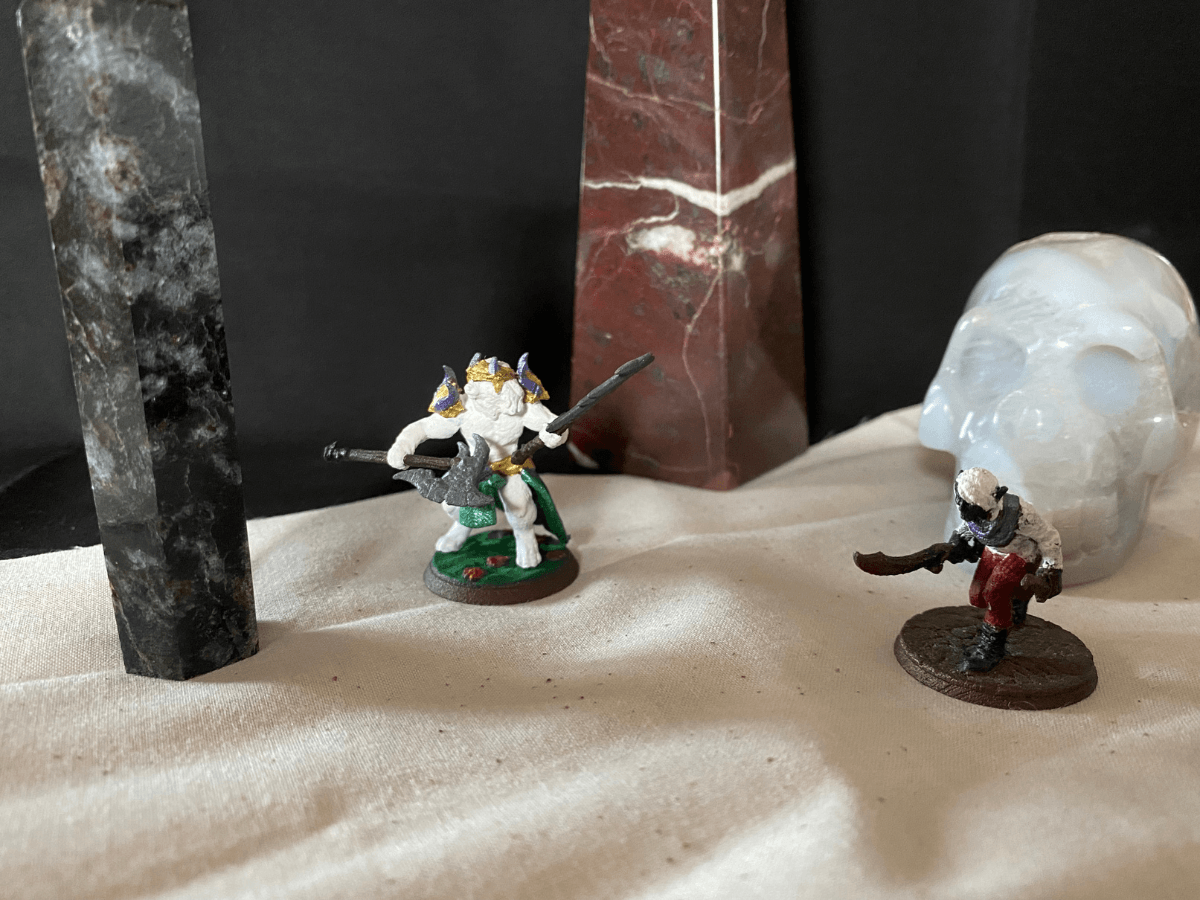
A character with a backstory brings more depth to the game's story, and often results in more fun for the player!
DnD Backstory
If you liked some of the fun DnD character ideas and D&D character concepts listed above, then you can definitely use them in either short adventures or in ongoing campaigns. It's important to note that virtually any character can be used in a full campaign if you end up detailing the character's DnD backstory. With a backstory, even an average character becomes something worthy of attention.
If you want to expand your character’s full potential, take a look at this DnD backstory list. These DnD backstory ideas are actually additions to some of the DnD character ideas, listed above. Use these with those existing characters, or mix them into your own ideas. Either way, you're sure to get more from the experience of playing your character:
Mysterious Hooded Figure
Here’s a DnD backstory that goes well with the traveling bard that I mentioned, above. The bard’s story takes a great turn when he’s approached by the mysterious hooded figure, who - it turns out - was from his destroyed homeland. In this first encounter, you find out that you are not the only remaining survivor of your fallen land. Furthermore, this woman was formerly a love interest of yours. The fire in your heart for her was put out only because you thought her to be dead.
At the time of your kingdom's fall, she was a knight of the realm. Indeed, she was one of the most promising warriors of the time. Though she probably knew nothing of you, often had you written songs of her, from afar. Now, it turns out, she may serve as the key to restoring the kingdom. And not only that, but since she's recognized your music, she wants you to enjoin her in the quest. She believes that the elemental powers inherent in bards from your homeland may play an irreplaceable role in the events to come.
Of course, you can't tell her "no," as your heart simply won't allow it. The problem is that your spirit, in regards to your homeland, at least, is broken. You saw many horrible events, when the kingdom fell. You saw many people die, and you experienced much suffering. Though you want to help, you're inwardly conflicted. In the end, the only thing that pulls you forward is the light that this woman exudes when talking about possibilities of the future. Not simply vengeance, but a peaceful conclusion to your kingdom's tragic past.
Even as you question about what may happen with your fallen kingdom, a question of equal importance keeps coming to you: "will this woman I love - have loved from afar for many years - ever feel the same for me?"
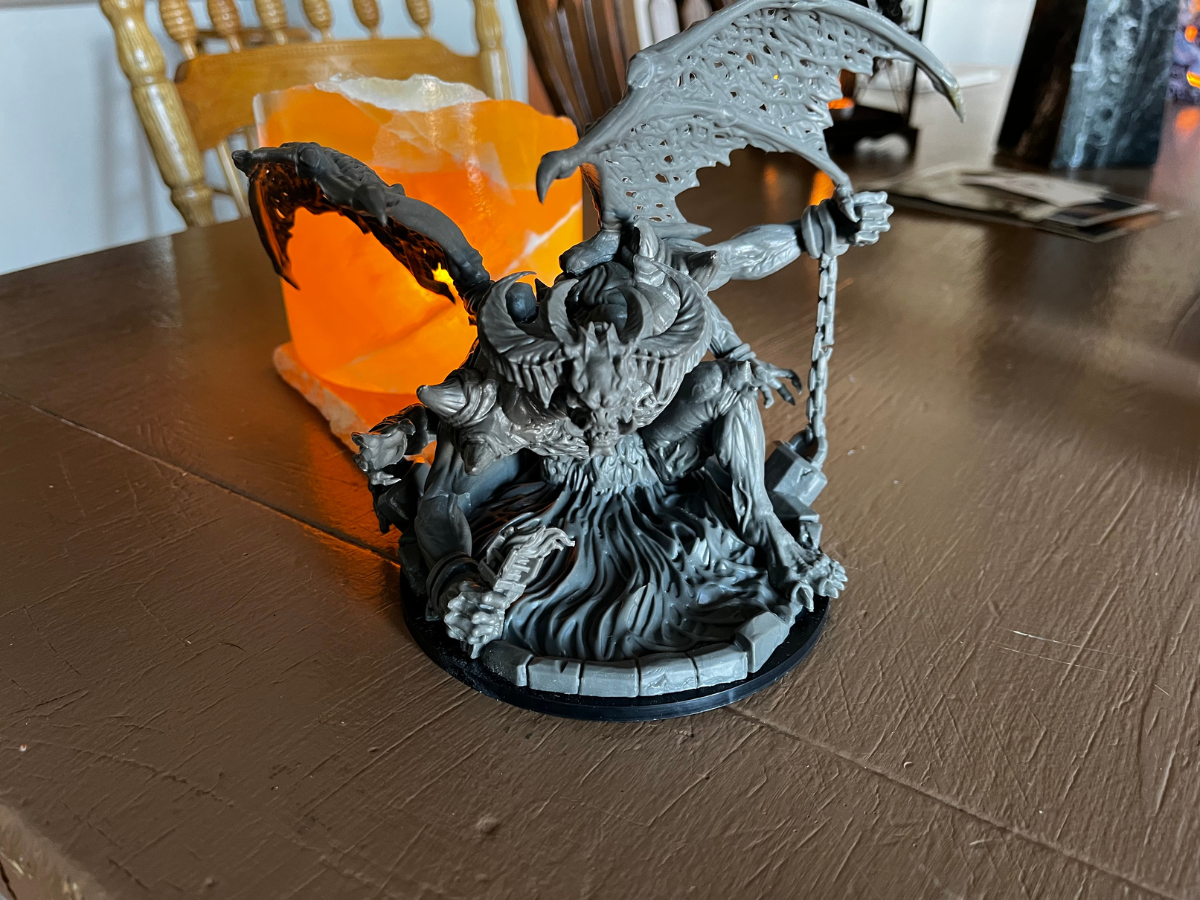
Sometimes, I like to to base my character's backstory on a villain. A compelling villain provides a built-in goal for my character, along with adversity, and purpose. Everything you need, really, to get a new character started.
An Unknown Curse
This DnD backstory accompanies the idea of Talliser Firebrand: the highly-competitive monk. I think Talliser can be fun to use in a one-shot adventure, but can also become more interesting and enjoyable in the long run once you add more detail and plot to his backstory.
The character idea from before mentions that the monk is both cursed and blessed with inconsistent skills that can be dangerous for him and his opponents. In this scenario, one of the best ways to add some depth to the story is to identify the reason behind the inconsistency.
It could be, for example, that his skills were a result of a long-running curse within his bloodline. You can decide on the criteria for the curse, but it will essentially be caused by one of his ancestors losing a gamble against a powerful being. In this story, your ancestor would have been obsessed with the thrill of the gamble, and was desperate enough to cheat his way into winning against the being.
Obviously, the gamble of cheating didn’t work out for him. As a result of your ancestor’s actions, your family was cursed with the strange skill of being extremely good at something, or not being good at it at all, depending on the fate of the moment.
It could even be that your family lineage became monks after they realized the curse bestowed upon them. Perhaps they thought through strict inner discipline, self-understanding, and moral choices, they could free themselves of the curse. Generation after generation in your family, they have thus sought and failed to achieve, freedom.
For years, you have wondered at your own fate. But unbeknownst to you, your family's tradition has been to share about the curse on a family member's 20th birthday. A year, they believe, when the individual has matured enough to process the news, and potentially help in dispelling the curse. As fate would have it, today is your 20th birthday, and your life is about to change.
Create Your Own Character Today
Feel free to use these characters or take inspiration from them. At the end of the day, TTRPGs are all about having fun in your campaign, with characters that represent either who you want to be, or explore pieces of yourself that may never otherwise show themselves.
Remember, too, that there are many TTRPGs out there. Though DnD is by far the most well-known, and one of the best, it may not be the game that you ultimately find is your favorite! If you're interested in trying out a character idea in a new game, take a look at Eternity TTRPG's self-published game. In the Eternity TTRPG tabletop RPG, you get to play a character while sharing the roles of a dungeon master. It allows you to roleplay a character while still building the world and story you play in.
Give it a try today! No matter what game you play though, have fun making memorable characters and exploring fantastic worlds.
Dice, Dungeons, Games & More - Eternity TTRPG
Share This Article

Author - Jacob Tegtman
Dear reader, I hope you enjoyed this article. Tabletop gaming has been a passion of mine since I was 6 years old. I've played just about every game from Dungeons and Dragons to video games like Final Fantasy. These games have inspired me, made me laugh, made me cry, and brought me endless hours of enjoyment.
I started Eternity TTRPG - and the indie tabletop game that goes along with it (Eternity Shop) - to share my love of gaming with others. I believe that in our technology-driven age, tabletop games help bring a sense of magic and community back into our world.
If you love the site, please share it with others! I have lots of gaming-related material for you to peruse and use in your own gaming sessions. If you have any questions about the site or want to contribute, just send me a message using the "Contact" page, which you can find in the site's footer.